May 12, 2026
Construction projects often involve tight budgets, strict timelines, and careful resource management. One of the most common challenges contractors face is material waste, particularly with concrete. Traditional delivery methods frequently require ordering more concrete than necessary to avoid shortages, which can result in leftover material that must be discarded. This waste not only increases project costs but also creates unnecessary environmental impact. As job sites seek more efficient and sustainable practices, metered concrete has become an increasingly valuable solution.
1. Improving Precision in Concrete Production
One of the primary reasons material waste occurs on job sites is inaccurate estimation of the required concrete volume. Traditional delivery methods often involve ordering pre-mixed batches that may exceed actual project needs. Once delivered, unused material quickly hardens and must be discarded.
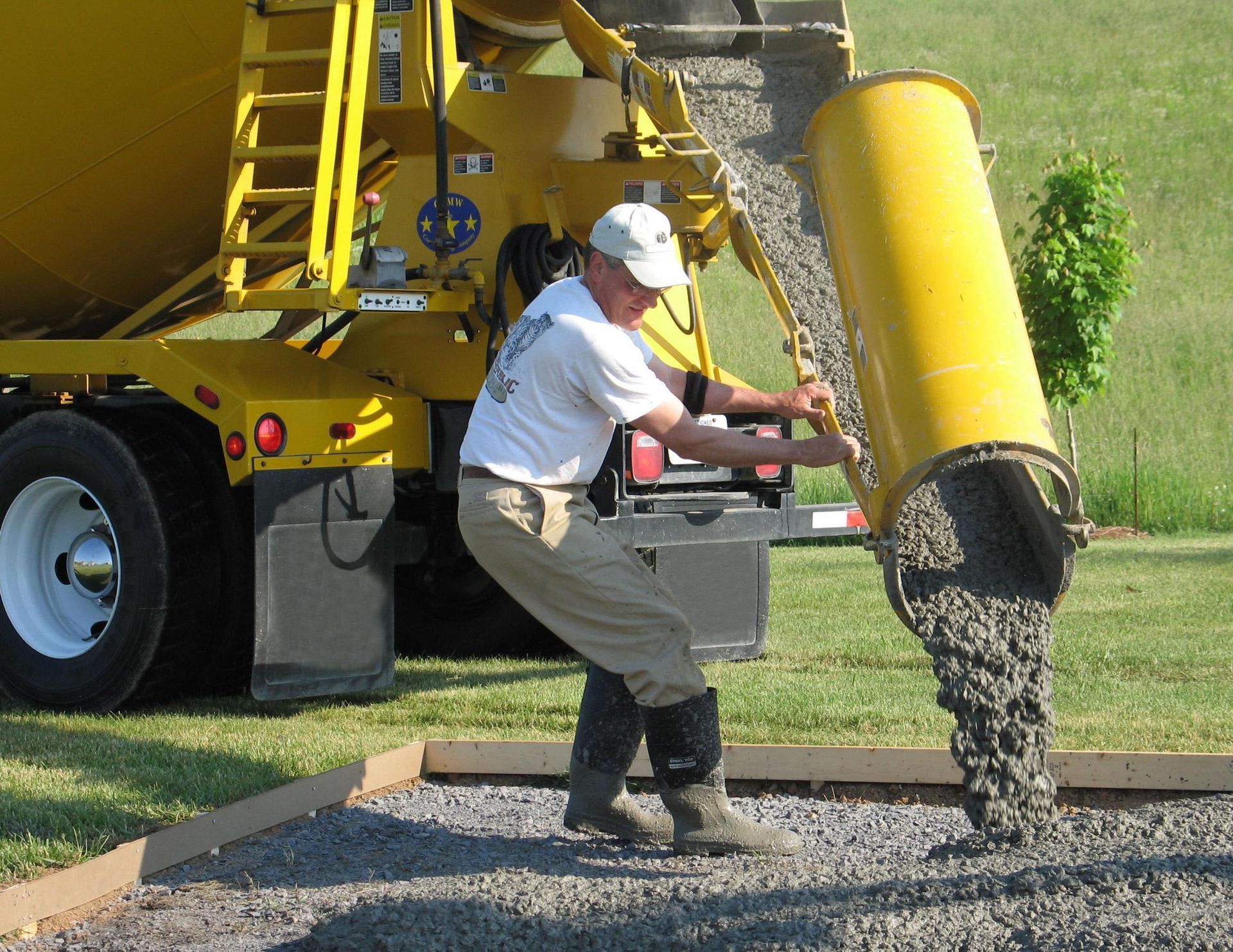
By contrast, metered concrete systems produce concrete in precise amounts directly at the job site. Operators can measure the exact quantities of cement, sand, aggregate, and water required for each pour. This precision ensures that only the amount needed for a specific task is produced, reducing the likelihood of surplus material. Greater accuracy in production not only lowers waste but also helps contractors manage resources more efficiently.
2. Mixing Concrete Only When It Is Needed
Timing plays a critical role in concrete work. Traditional batch deliveries begin curing almost immediately after mixing, meaning that any delays on the job site can lead to wasted material. Traffic issues, weather changes, or scheduling conflicts may cause entire loads of concrete to harden before they can be used.
On-demand mixing addresses this issue by allowing crews to produce concrete exactly when they are ready to pour. With metered concrete, materials remain separate until mixing begins at the job site. This approach prevents premature curing and eliminates the risk of rejecting loads that have hardened due to unexpected delays. As a result, contractors can work at a steady pace without worrying about time-sensitive deliveries.
3. Adjusting Mix Designs in Real Time
Construction projects often require different concrete strengths or compositions depending on the task. Traditional concrete deliveries require contractors to place separate orders for each mix design. If project conditions change, unused batches may need to be discarded.
With modern equipment, metered concrete systems allow operators to adjust mix ratios instantly. If a project requires a stronger mix or a different slump level, adjustments can be made on the spot without wasting previously mixed material. Concrete is known for its durability and ability to withstand extreme temperatures. According to Home Grail, concrete reaches an estimated melting point of 1,550°C. While such conditions are rarely encountered on construction sites, this fact highlights the strength and resilience of properly mixed concrete. Being able to adjust the mixture during production ensures that each batch meets project requirements without generating unnecessary waste.
4. Streamlining Workflow on Construction Sites
Efficient job site operations are essential for minimizing material waste. When multiple deliveries arrive at once, or crews must rush to use pre-mixed concrete before it hardens, mistakes and overuse can occur.
By producing concrete continuously as needed, metered concrete supports a more organized workflow. Crews can request smaller batches throughout the day instead of handling large deliveries all at once. This steady supply helps workers maintain control over how much material is used during each stage of construction. Better workflow coordination also reduces the risk of accidental overpouring or mixing errors. With a consistent and manageable supply of concrete, teams can focus on accuracy and quality rather than rushing to avoid wasted material.
5. Reducing Overordering of Materials
Contractors often order more concrete than necessary as a safety measure to prevent shortages. While this approach ensures work can continue without interruption, it frequently results in unused material that must be discarded.
Using metered concrete eliminates the need for excessive ordering because the system can produce additional concrete whenever required. Instead of guessing the total volume needed at the start of a project, crews can simply generate more material if necessary. This flexibility encourages more accurate planning and reduces the pressure to order surplus materials. By producing only what is required, contractors can significantly reduce waste while maintaining productivity.
6. Lowering Transportation Waste
Traditional concrete deliveries involve transporting large quantities from batch plants to construction sites. If a load is rejected or only partially used, the remaining material often cannot be returned or reused.
By mixing materials directly on site, metered concrete reduces the risks associated with transportation. Raw materials can be stored and used gradually instead of being delivered as a single batch that must be used immediately. This approach ensures that nearly all transported materials are utilized during the project.
7. Minimizing Cleanup and Disposal Issues
Excess concrete can create significant cleanup challenges on construction sites. Once it hardens, it must be broken up and transported to disposal facilities, which adds both labor and environmental costs.
Because metered concrete systems generate only the required amount of material, the volume of leftover concrete is dramatically reduced. Smaller waste quantities mean less time spent on cleanup and fewer disposal requirements. This efficiency allows crews to focus their efforts on construction tasks rather than managing hardened concrete waste. Over time, reduced disposal needs can also translate into measurable cost savings for contractors.
8. Preventing Waste from Weather Delays
Weather conditions can greatly affect concrete work. Rain, extreme heat, or freezing temperatures may force crews to postpone pours, leaving pre-mixed concrete unusable.
Since metered concrete is mixed only when required, projects can pause without worrying about wasted batches. If conditions change unexpectedly, the mixing process can simply be delayed until it is safe to continue. This flexibility allows contractors to respond to weather conditions without sacrificing valuable materials. By eliminating the risk of weather-related waste, job sites can operate more sustainably, efficiently, and quickly.
9. Supporting Accurate Budget Planning
Material waste can quickly inflate construction costs, especially on large projects involving multiple concrete pours. When excess material must be discarded, contractors lose both the cost of the concrete and the resources required to remove it.
With metered concrete, the precise measurement of materials helps ensure that spending aligns closely with project needs. By reducing waste, contractors gain a clearer understanding of how much material is actually required for each stage of construction. Accurate usage data also supports better planning for future projects. When teams know exactly how much concrete was used, they can make more reliable estimates and avoid unnecessary expenses.
10. Improving Resource Efficiency
Concrete production requires natural resources such as limestone, sand, and gravel. When concrete is wasted on job sites, these valuable resources are effectively lost.
Metered systems help preserve these materials by ensuring that nearly every component used in the mixing process contributes to the final structure. By controlling production quantities, contractors can significantly reduce the overall consumption of raw materials. Improved efficiency not only benefits project budgets but also supports broader environmental goals. Responsible resource use helps reduce the demand for additional raw material extraction.
11. Encouraging Sustainable Construction Practices
The construction industry is increasingly focused on sustainability and reducing environmental impact. Material waste contributes to landfill usage and unnecessary resource depletion, making waste reduction an important priority.
Through precise production and controlled mixing, metered concrete aligns well with sustainable construction goals. By producing only what is required, projects minimize the environmental footprint associated with excess material. Many contractors are adopting this approach as part of broader green building initiatives. Reducing waste at the source helps construction companies meet sustainability targets while maintaining high performance standards.
12. Enhancing Long-Term Project Efficiency
Over time, the cumulative impact of reduced waste can significantly improve project efficiency. When job sites consistently use only the materials they need, both financial and environmental benefits become clear.
Metered systems provide flexibility, precision, and adaptability that traditional delivery methods often lack. By eliminating unnecessary surplus and allowing crews to work more strategically, metered concrete supports smoother operations from start to finish.
As more contractors recognize these advantages, the adoption of this method continues to grow across residential, commercial, and infrastructure projects.
Material waste is one of the most persistent challenges on construction sites, particularly when working with time-sensitive materials like concrete. Traditional delivery methods often lead to overordering, unused batches, and costly disposal processes. These inefficiencies increase project expenses and contribute to unnecessary environmental impact. If you are seeking professional concrete services in Southampton Township, NJ, and the surrounding areas, contact Artistic Materials Inc today.