January 28, 2026
In today's competitive construction marketplace, operational excellence is not a luxury—it's a strategic imperative. Companies that optimize workflows, reduce waste, and accelerate project milestones consistently outperform those that rely on outdated methodologies. One such optimization opportunity lies with local flowable fill services, an under-leveraged technique that delivers measurable gains in productivity, cost containment, and schedule adherence across diverse construction environments. By embedding local flowable fill services into your project playbook, you can elevate both the pace and quality of work without stretching budgets or compromising onsite safety.
Enhancing Site Preparation with Local Flowable Fill Services
Site preparation is the backbone of any construction initiative, and inefficiencies here cascade into downstream delays. Traditional compaction soils, manual backfill, and time-intensive grading often create bottlenecks. In contrast, local flowable fill services introduce a highly fluid, self-leveling medium that simplifies earthwork and foundation readiness.
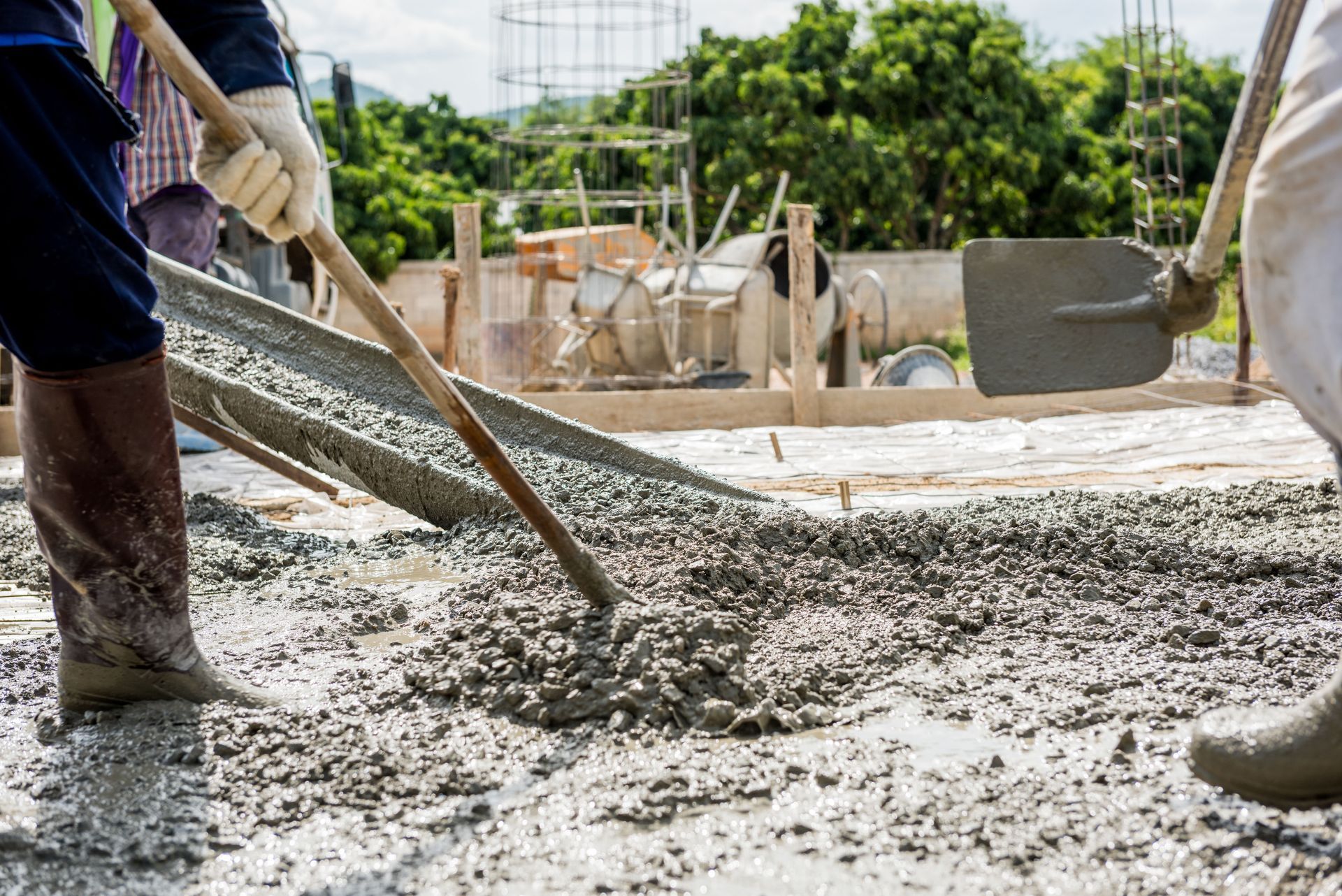
Flowable fill, also known as controlled low-strength material (CLSM), offers unparalleled adaptability across substrates and terrain. It conforms to irregular spaces, displaces air voids with precision, and eliminates the need for multiple passes with heavy compaction machinery. By integrating professionally supplied flowable fill into your site prep framework, you enable site crews to mobilize faster, reduce rework, and realize optimal subgrade conditions with predictable performance metrics.
Importantly, local flowable fill services minimize downtime between excavation and structural work. The immediate workability of flowable fill—once delivered and placed—means that teams can progress to critical path activities without waiting for traditional soil stabilization processes. In fast-paced environments where schedule slippage equates to financial loss, this is a distinct advantage.
Accelerating Backfill Operations with Local Flowable Fill Services
Constraining project timelines often hinges on expediting backfill operations following underground utility installation, masonry work, or stormwater infrastructure placement. Traditional backfill methods frequently involve labor-intensive layering, moisture conditioning, and mechanical compaction to achieve the necessary density and load-bearing standards. These processes not only consume time but also entail significant labor costs and equipment coordination.
Local flowable fill services remove much of this friction by delivering a homogenous, pourable material that inherently achieves consistent density without mechanical compaction. Flowable fill is engineered to meet specific project requirements, enabling it to match the compressive strength and durability parameters needed for a given application.
According to the North Eastern States' Materials Engineer Association, flowable fill with a compressive strength less than 150 psi may be excavated manually while at the same time have adequate bearing capacity to support an automobile. This duality of strength and flexibility reinforces the value proposition of flowable fill: robust enough for vehicular loads yet amenable to efficient re-entry where future work is anticipated.
When backfill is executed swiftly and reliably, overall project timelines tighten, and labor resources are redeployed to high-value tasks. This elevates workforce utilization and unlocks throughput gains that directly enhance construction delivery.
Streamlining Pavement Base Support with Local Flowable Fill Services
Pavement base preparation is another domain where local flowable fill services demonstrate tangible performance impact. Preparing roadways, parking areas, and loading docks requires uniform support layers that resist settlement and provide long-term stability. Traditional granular bases often necessitate extensive compaction cycles and quality assurance checks to ensure uniform bearing capacity.
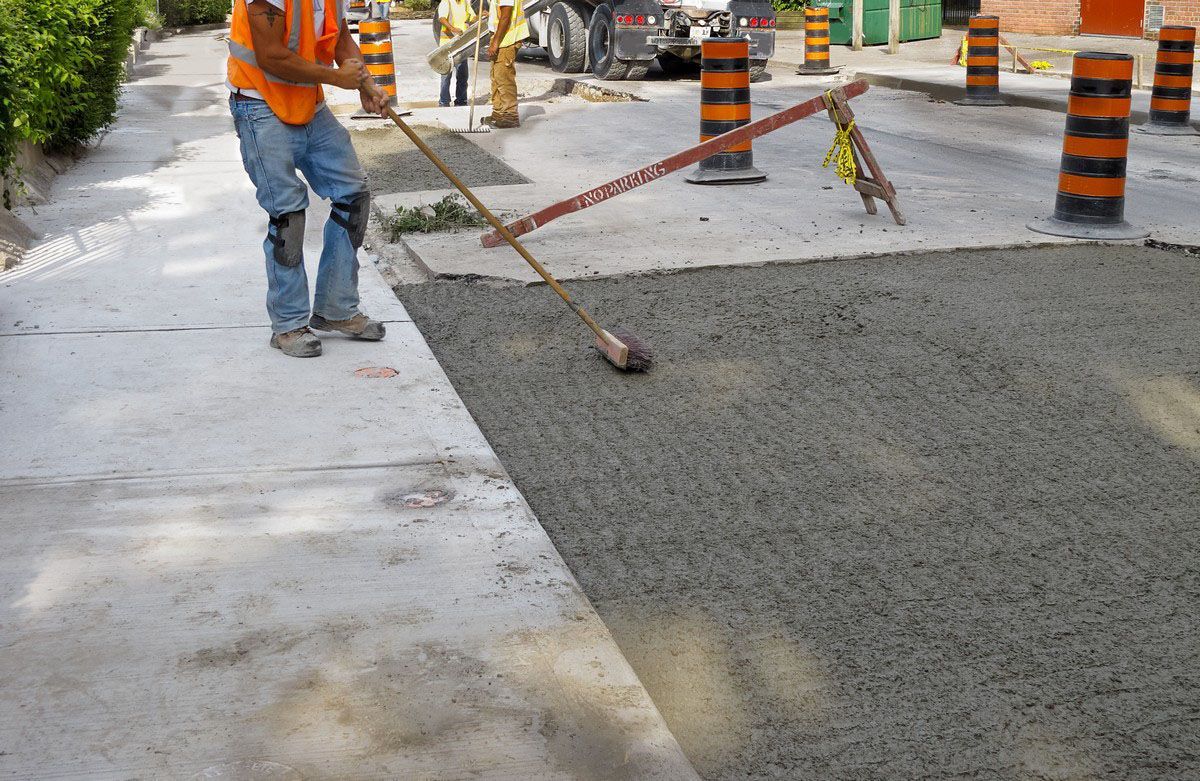
Flowable fill changes the equation by producing a continuous, fluid base that self-levels and sets to form a cohesive support structure. This approach reduces the number of intermediate quality checks, decreases reliance on heavy compaction equipment, and compresses the timeline between base installation and surface paving.
Employing local flowable fill services in these contexts not only accelerates the pace at which subsequent trades can engage surfaces but also enhances the predictability of results. The material characteristics of flowable fill—such as controlled slump and mix design tailored to site conditions—translate into a more reliable base foundation. As a result, paving contractors can mobilize sooner, and quality assurance teams can sign off earlier in the project lifecycle.
Reducing Rework and Waste with Local Flowable Fill Services
Construction rework is a silent killer of productivity. Each revision, correction, or redo consumes labor hours, ties up equipment, and extends schedules. In many cases, rework stems from inconsistent compaction, uneven settlement, or improper backfill technique. These challenges are commonly observed in projects that rely on traditional granular fill materials.
By engaging local flowable fill services, construction teams can significantly reduce the incidence of rework associated with inconsistent fill performance. Flowable fill delivers homogeneity and controlled engineering specifications that minimize variability in onsite results. This consistency directly translates into fewer corrective actions and faster progression to final acceptance.
Moreover, the precise placement of flowable fill reduces material waste. Unlike granular soils that require excess volume to account for compaction loss, bridging, or uneven consolidation, flowable fill flows to fill voids and cavities exactly. Contractors can order quantities that align closely with actual requirements, reducing excess materials delivered, stored, and ultimately disposed of. This efficiency not only enhances sustainability profiles but also contributes to tighter cost control.
Supporting Safety and Risk Mitigation with Local Flowable Fill Services
Operational safety is not a peripheral concern—it's foundational to construction efficiency. Unsafe conditions lead to stoppages, regulatory scrutiny, and potential litigation, all of which compromise productivity and profitability. Materials that simplify processes inherently reduce exposure to risk by minimizing complex procedures and physical strain on workers.
Local flowable fill services advance safety by enabling backfill and fill applications with less reliance on heavy machinery and repetitive manual labor. Its self-leveling properties allow for safer placement in excavations and trenches without subjecting personnel to hazardous conditions associated with mechanical compaction equipment. Additionally, the reduced need for labor-intensive site traffic cuts down on onsite vehicle interaction, further enhancing safety protocols.
From a risk mitigation perspective, the engineered consistency of flowable fill reduces the likelihood of differential settlement and subsequent structural issues. Delivering predictable performance through engineered services means project stakeholders can plan with confidence rather than allocate contingency time and budget to address variability.
Reducing Costs and Maximizing Value with Local Flowable Fill Services
Cost efficiency remains a top KPI for every construction leader. While initial material costs are often the focus, the true financial impact of a specification emerges when considering entire project lifecycles. Local flowable fill services deliver compelling value by reducing labor demand, accelerating schedule, minimizing waste, and mitigating risk—all of which contribute to lower total installed costs.
By eliminating the need for repeated compaction cycles, heavy equipment hours, and associated fuel consumption, flowable fill delivers direct operational savings. Moreover, when initiatives finish ahead of schedule, contractors avoid penalty clauses and enhance client satisfaction. This combination of schedule acceleration and cost control underscores why more firms are adopting flowable fill solutions as a standard practice.
It is not uncommon for stakeholders to see return on investment within the first few weeks of adoption, particularly on multi-phase developments or large civil projects where earthwork represents a significant budget line item. The strategic use of local flowable fill services becomes a cornerstone of financial stewardship and competitive differentiation.
As firms across the Northeast and beyond seek to elevate operational capabilities, the integration of engineered fill services such as flowable fill will become increasingly pervasive. Contractors, project owners, and design professionals who embrace these services position themselves to not only meet but exceed stakeholder expectations—balancing quality, schedule, and cost with precision. For executives and site managers evaluating efficiency levers for upcoming projects, it is time to reexamine traditional fill strategies and consider how local flowable fill services can catalyze performance improvement. With demonstrable benefits spanning operational speed, cost containment, safety, and quality, flowable fill represents a transformative asset in the construction efficiency toolkit. If you're looking for local flowable fill services, contact Artistic Materials Inc today.