December 9, 2025
When managing construction projects, staying on schedule and within budget is always the top priority. Contractors and property owners alike constantly look for ways to streamline labor, reduce material waste, and eliminate costly errors. One solution that checks all of these boxes is the flowable mix — a self-consolidating, low-strength material used for backfilling, trench work, utility projects, and more. Despite its simple composition, this versatile material offers a surprising list of cost-saving benefits that traditional backfill methods cannot match.
Before diving into the reasons it saves you money, it helps to understand why easy-to-place materials have become so essential in construction. As crews deal with tighter deadlines, labor shortages, and rising material prices, efficiency is no longer just an advantage — it's a necessity. That's where flowable fill stands out, providing a dependable, repeatable, cost-effective option for a wide range of applications.
Below are five reasons why choosing flowable mixes can significantly reduce your overall project costs.
1. Reduce Labor Costs Through Faster Placement
Labor is one of the highest expenses on any construction site, and the more complex or physically demanding a task is, the longer it typically takes to complete. Traditional backfilling requires extensive manual compaction, repeated passes with heavy equipment, and close supervision to ensure consistent density throughout. All of this adds time, increases labor hours, and slows down subsequent work.
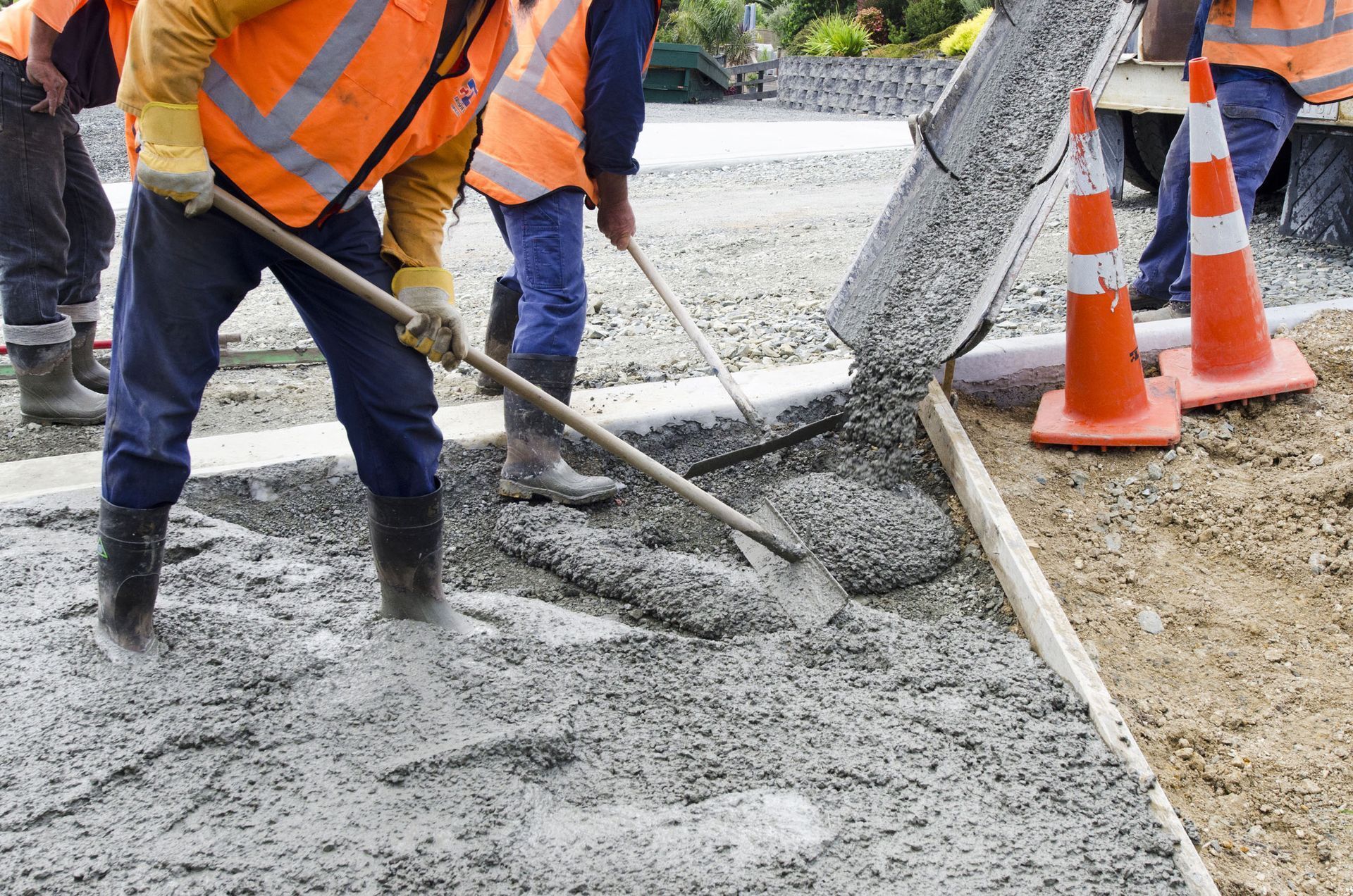
A flowable mix dramatically reduces these challenges. Because it is self-leveling and requires no mechanical compaction, crews can place it quickly and let it spread on its own. The material naturally flows into voids, wraps around utility lines, and fills tight spaces where manual compaction would be difficult or risky.
This ease of placement means:
- Smaller crews can handle the job
- Placement is completed in a fraction of the time
- Heavy machinery is used less often
- The risk of improper compaction — and the costly repairs that follow — is significantly lower
By eliminating the need for multiple workers and repeated equipment passes, flowable fill offers immediate and measurable labor savings.
2. Minimize Equipment Usage and Maintenance Needs
Heavy equipment is expensive — not just to purchase, but also to operate, maintain, transport, and fuel. The more your project relies on compactors, rollers, loaders, and other machinery, the higher your overhead climbs. Traditional backfill demands continuous compaction, meaning crews must keep equipment on-site for longer periods, sometimes even scheduling additional rentals if project timelines shift.
With a flowable backfill, most of that equipment becomes unnecessary. Since the material is designed to set without compaction, contractors can complete backfilling tasks without rolling equipment onto delicate, narrow, or difficult-to-access areas. This benefit is particularly useful for utility trenches, urban environments, and projects where space is limited.
Reducing equipment use offers additional savings:
- Less fuel consumption
- Fewer rentals
- Lower maintenance and repair costs
- Reduced operator hours
- Decreased wear and tear on owned machinery
For companies managing multiple projects at once, freeing up equipment sooner also helps maximize fleet efficiency across jobs.
3. Avoid Costly Repairs Caused by Poor Compaction
Improper or inconsistent compaction is one of the most avoidable and expensive issues in construction. When backfill isn't adequately compacted, the soil can settle over time, causing sinkholes, pavement cracking, shifting utility lines, and structural instability. Fixing these issues requires cutting into finished surfaces, removing failed backfill, and replacing it — often at high cost.
Using a flowable mix nearly eliminates the risk of settlement because the material cures into a uniform, low-strength mass. Its consistent density ensures long-term stability, even under roadways or heavy loads. In addition, because the material flows into every gap and void, it provides a level of uniformity that traditional soil compaction methods simply cannot match.
The ability to prevent future failures offers several financial advantages:
- No need for return trips to correct sinking trenches
- Lower liability risks
- Fewer callbacks and warranty claims
- Reduced the likelihood of damaging surrounding structures during repairs
For municipalities, utility companies, and contractors who need long-lasting performance, choosing a flowable mix is a smart strategy that protects their investment for years to come.
4. Speed Up Project Timelines and Reduce Downtime
Project delays create ripple effects across budgets. When one task takes longer than expected, it slows down everything that follows — equipment rentals get extended, crews stay on-site longer, and schedules must be rearranged. In industries where every hour counts, faster turnaround times translate directly into cost reduction.
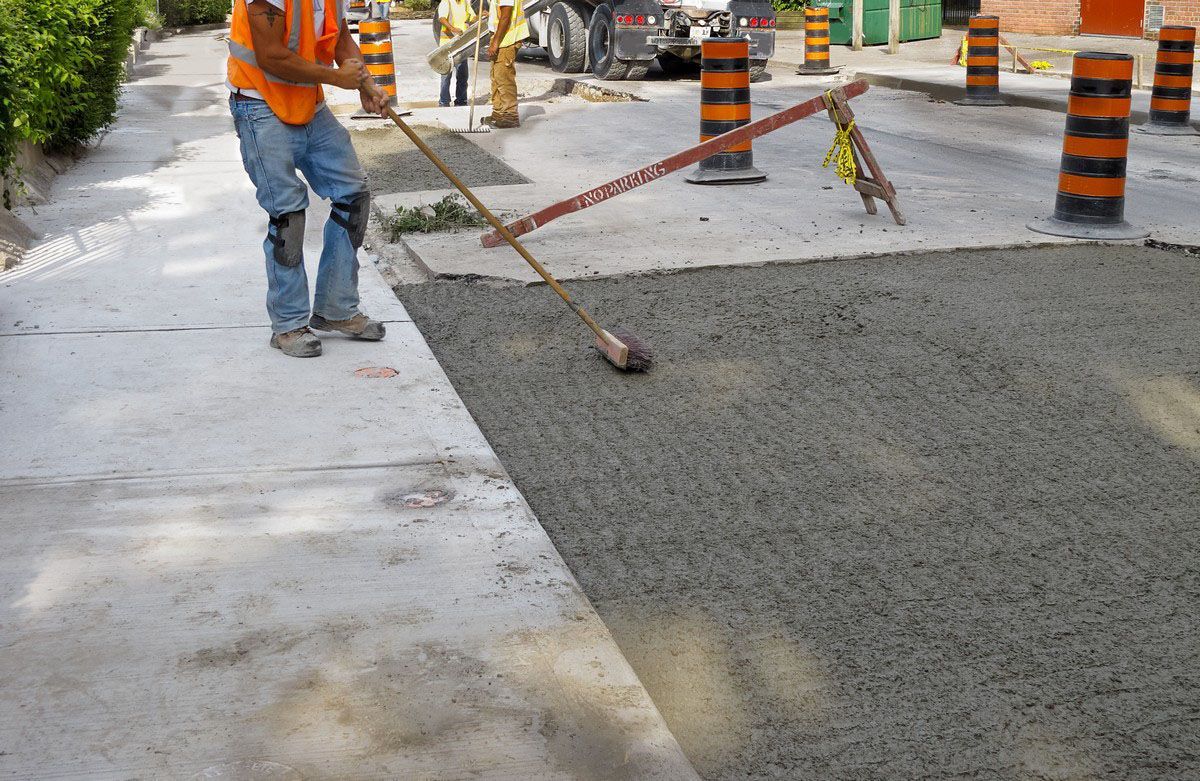
Flowable fill significantly accelerates backfill-related tasks. Crews can place large volumes quickly, and because the material gains strength rapidly, surface work — such as paving, compaction, or installation — can often resume sooner than it would with traditional methods. This time efficiency matters for road repairs, emergency utility fixes, and infrastructure work that can't afford slow progress.
Faster placement supports:
- Quicker trench closures
- Reduced traffic disruption
- More predictable project sequencing
- Lower labor and equipment overhead
- The ability to move crews to new sites faster
Additionally, widespread use of materials like this has become increasingly important as construction adapts to national landscaping and infrastructure trends. For example, lawns alone — one of the most common features requiring underground utility work — cover an estimated 40 million acres across the United States, according to Workyard. With such expansive land use, the need for efficient excavation and restoration methods has never been greater.
Flowable mixes enable teams to work with confidence, knowing they can maintain productivity without sacrificing quality.
5. Lower Long-Term Maintenance Costs and Improve Durability
While upfront material prices are important, long-term performance often dictates the true value of a construction choice. A material that is inexpensive initially but fails prematurely can end up costing far more in repairs. Flowable fill is engineered to solve this problem by offering long-lasting reliability and minimal maintenance needs.
Once cured, the material provides:
- Stable support for utilities and pipes
- Resistance to erosion and water infiltration
- A dependable base for pavements and structures
- A predictable, uniform surface for future excavation
Because flowable fill does not shift or compact over time, the risk of settlement-related failures is drastically reduced. Many projects that once required frequent monitoring — such as road patches or utility trenches — can now maintain structural integrity for years without intervention.
Contractors and municipalities also benefit from the material's consistency. Future crews who need to reopen a trench know what to expect, reducing labor time and improving safety during excavation. In some formulations, flowable fill can be easily removed using standard equipment, eliminating the guesswork and variability that comes with traditional backfill soils.
The result? Lower overall maintenance expenses and fewer unexpected repairs that blow up budgets.
Flowable mixes offer some of the most practical and cost-effective solutions in modern construction. From cutting labor and equipment costs to preventing future settlement issues, the benefits extend far beyond initial placement. Their ability to speed up timelines, reduce long-term maintenance, and deliver consistent results makes them a valuable tool for contractors, municipalities, and property owners seeking reliable, predictable performance.
At a time when efficiency and budget control are more important than ever, choosing a flowable mix is a strategic move that pays for itself through reduced labor, minimized equipment use, and long-term durability. Whether you're working on utility trenches, road repairs, or general backfill needs, this versatile material helps ensure the job gets done right the first time — saving money now and well into the future. Transform your project today — contact Artistic Materials Inc for expert guidance and premium materials.