October 23, 2026
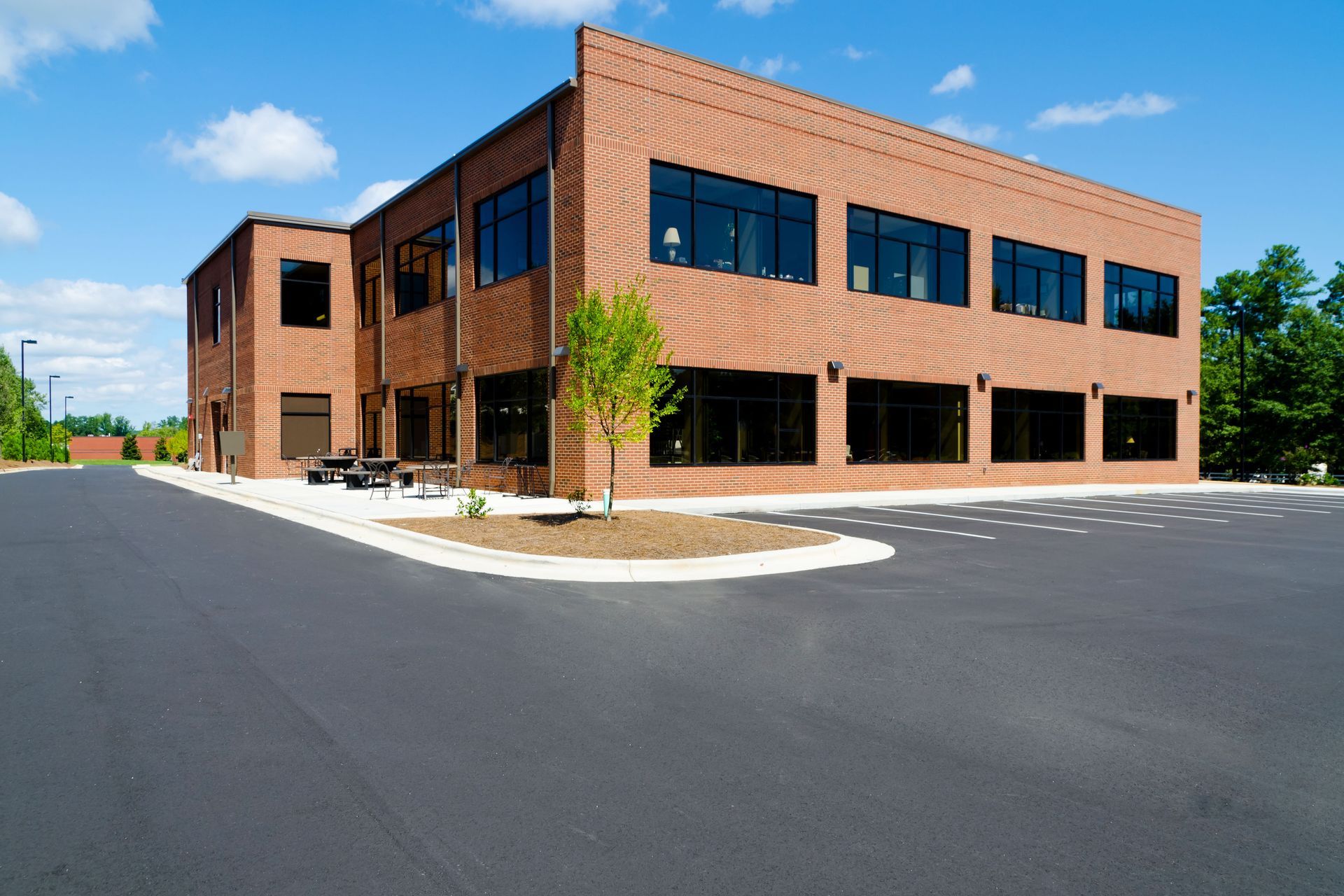
Commercial property appearance plays an important role in attracting customers, creating a professional image, and maintaining property value. Concrete offers a versatile way to combine visual appeal with practical performance. From walkways and plazas to flooring and architectural features, it can complement many commercial designs.
Its durability, flexibility, and range of finishes make it suitable for properties with different architectural styles. When thoughtfully incorporated, concrete can create a cohesive appearance while providing surfaces designed for long-term use.
The Versatility of Concrete in Commercial Design
Concrete can be shaped, textured, colored, and finished in numerous ways. The material can provide a clean, minimalist look in an office building or a decorative appearance around a retail property. It also works well with glass, metal, stone, and wood.
Durability is another important advantage. Commercial properties experience foot traffic, vehicle activity, weather exposure, and general wear. Concrete can withstand these demands while requiring relatively limited maintenance when properly designed and installed. According to This Old House, concrete weighs around 45 pounds per cubic foot. Its substantial weight contributes to its strength and makes professional planning important when determining how concrete will be transported and placed.
Choosing the Right Concrete Finish
The finish selected for a concrete surface can significantly affect the appearance of a commercial property. Polished concrete is frequently used in offices, retail stores, showrooms, and other interiors where a sleek appearance is desired. Its smooth surface can reflect light and create a contemporary environment.
Stamped concrete can create decorative patterns that resemble stone, brick, or tile. Exposed aggregate provides another distinctive appearance by revealing the aggregate within the surface and adding texture. Color can also be incorporated through pigments and stains, allowing property owners to coordinate concrete with existing architecture, branding, and landscaping.
Improving Outdoor Commercial Spaces
Outdoor areas often provide the first impression of a commercial property. Concrete surfaces can create attractive entrances, walkways, courtyards, patios, and gathering spaces. Concrete walkways can guide visitors toward entrances while connecting different areas. Decorative finishes and selected colors can make these paths an intentional part of the landscape.
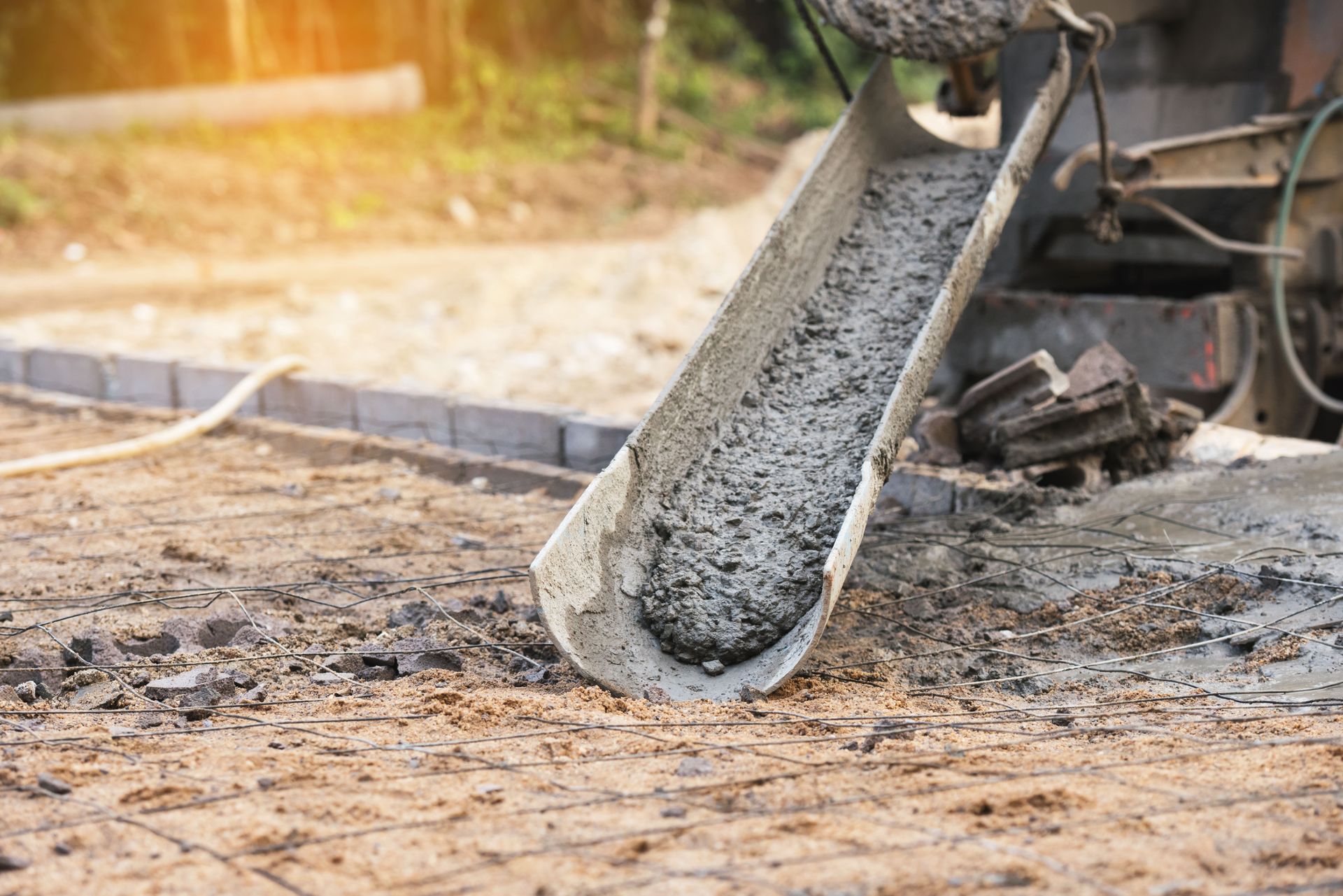
Plazas and patios can provide space for seating, gatherings, employees, or events. Concrete offers durability for frequent use while providing numerous design options. The logistics of bringing material to these projects should be considered early. A reliable concrete delivery service can help ensure material reaches the site according to the construction schedule. Proper timing is important when crews, equipment, and site preparation must be coordinated.
Concrete Features for Landscaping
Concrete can provide both structure and visual appeal in commercial landscaping. Retaining walls, planters, steps, borders, and other features can organize outdoor spaces while supporting the property's design.
Retaining walls can define changes in elevation and organize sloped areas. Concrete planters and architectural landscape elements can complement nearby walkways and buildings.
Water features are another potential application. Concrete can be formed into fountains, basins, and other decorative structures that become focal points within a landscape. Permeable concrete systems may also help manage stormwater in appropriate applications, while recycled aggregate can reduce the need for newly sourced materials.
Concrete in Commercial Interiors
Concrete flooring can provide a durable surface for offices, retail locations, restaurants, showrooms, and other high-traffic environments. Different finishes can create polished, textured, or understated appearances.
Concrete walls and architectural panels can add depth to interior spaces and create visual focal points. Concrete countertops and other surfaces can also provide a distinctive appearance in commercial kitchens, reception areas, bathrooms, and hospitality spaces.
Planning for a Successful Concrete Project
Commercial concrete projects require careful coordination because of the material's weight, timing requirements, and placement considerations. Site conditions, access, dimensions, and intended use all influence planning. Concrete delivery should be coordinated with the construction schedule so crews and equipment are ready when material arrives. Delays can affect multiple stages of a project, particularly when large areas are being poured.
Access is another consideration. Commercial properties may have limited entrances, busy parking areas, or restricted construction zones. Project managers need to account for how materials and equipment will move through the property. The required amount of concrete should also be carefully calculated. Ordering too little can interrupt work, while excessive material can increase costs and waste.
Enhancing Safety and Accessibility
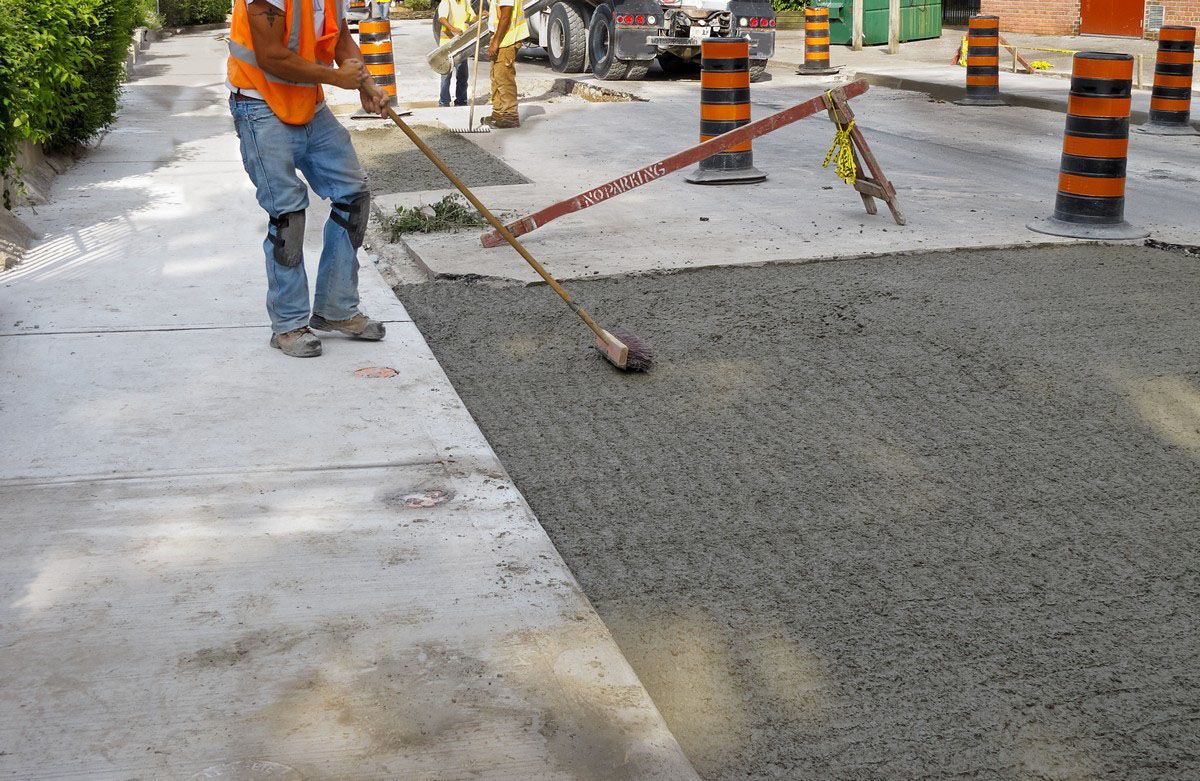
Aesthetic improvements should also support safe and accessible commercial environments. Concrete can be used for walkways, ramps, entrances, curbs, and other pedestrian areas. Textured finishes can provide additional traction where moisture may be present. Properly designed walkways can direct foot traffic and create clearer routes throughout a property.
Concrete ramps, curb transitions, and pathways can support individuals with mobility challenges while contributing to the site's appearance. Barriers and dividers can also separate pedestrian and vehicle areas or organize traffic patterns.
Durability and Long-Term Appearance
Commercial property improvements need to remain attractive after years of use. Concrete's durability makes it practical for surfaces exposed to frequent traffic and changing weather conditions.
Regular professional maintenance can help preserve concrete surfaces and address issues before they become more significant. Proper drainage and surface design can also protect installations from unnecessary deterioration.
The long-term value of concrete depends partly on selecting the appropriate mix, finish, design, and installation method for the intended application. A dependable concrete delivery process is also important for maintaining consistency during installation. Materials need to arrive in suitable condition and at the appropriate stage so installation crews can work efficiently.
New Developments in Concrete Technology
Concrete technology continues to evolve, creating new possibilities for commercial construction and design. Three-dimensional concrete printing can allow complex forms to be produced while potentially reducing material waste. Smart concrete may eventually provide information about structural conditions through embedded sensors. Recycled concrete is also becoming increasingly important as the industry looks for ways to reduce waste. Lightweight concrete technologies may provide additional advantages for certain commercial applications.
Coordinating Materials and Project Logistics
The appearance of a finished property depends on more than concrete itself. Materials, labor, equipment, scheduling, and site conditions all need to work together. Concrete delivery is one part of this coordination. Commercial projects may require multiple loads, specific placement windows, and communication between suppliers and contractors. A well-organized schedule can help reduce interruptions and keep the project moving.
Property managers should also consider how construction activity will affect customers, employees, tenants, and neighboring businesses. Work may need to be scheduled around operating hours to minimize disruption. When concrete is incorporated into a larger renovation or construction project, coordination with other trades is equally important. Electrical, plumbing, landscaping, masonry, and structural work may depend on specific stages of concrete installation.
Creating a Cohesive Commercial Property
Concrete works best when considered as part of the property's overall design. Colors, textures, landscaping, lighting, signage, and architectural elements can all influence how concrete surfaces appear. A polished interior floor may complement modern glass and metal features, while a textured exterior walkway may work better alongside natural landscaping. Different finishes can also distinguish areas such as plazas, service spaces, and pedestrian pathways. Because concrete offers many design options, property owners can select solutions based on both practical requirements and visual goals.
Working With Experienced Professionals
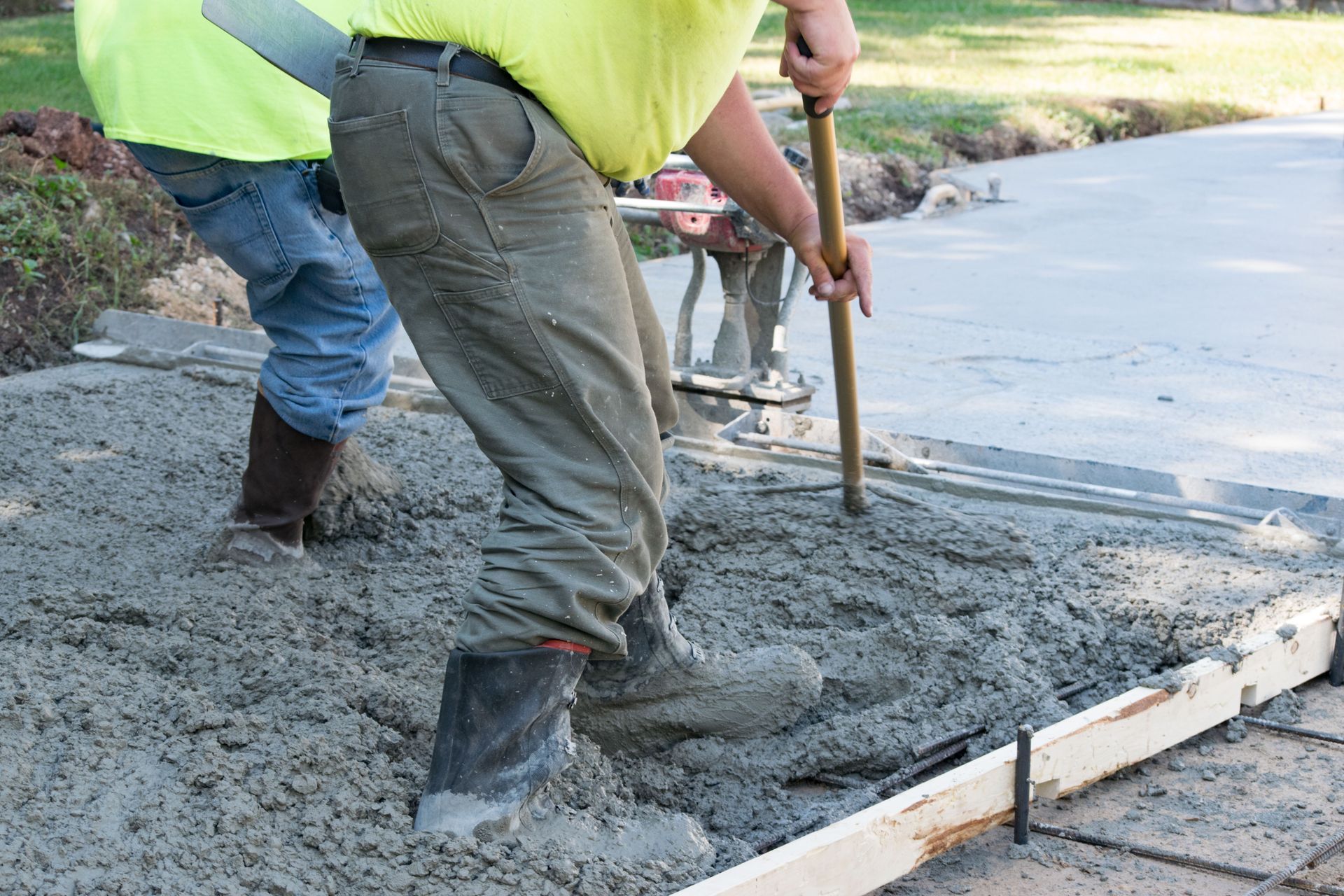
Large commercial concrete projects require expertise in planning, materials, scheduling, and installation. Professional concrete delivery contractors can help determine the appropriate approach based on the property's layout and intended use. They can also coordinate concrete delivery with site preparation and installation requirements, particularly for projects involving large quantities of material or restricted access. Experienced professionals can evaluate drainage, traffic loads, surface conditions, accessibility, finish selection, and expected usage. Addressing these factors before installation can help produce a durable and visually consistent result.
Improving Commercial Property Appearance With Concrete
Concrete provides commercial property owners with durability, versatility, and design flexibility. It can be used throughout a property, from exterior walkways and plazas to interior flooring and architectural details. Its range of finishes allows designers to create simple surfaces or decorative features. When combined with landscaping, lighting, signage, and other building materials, concrete can contribute significantly to a property's visual identity.
Successful projects also depend on planning. Concrete delivery, site access, scheduling, material quantities, and contractor coordination should all be addressed before installation begins. For businesses planning a commercial concrete project, professional guidance can help ensure finished surfaces meet aesthetic and functional goals. Contact Rescue 1 Plumbing to discuss your commercial property needs and learn how the right materials and installation approach can improve your property's appearance, usability, and long-term value.