September 15, 2026
In this comprehensive guide, we delve deeply into the critical facets of a professional concrete delivery service, outlining exactly what clients should anticipate when securing these technical services for their construction projects. With a strict emphasis on structural reliability, operational efficiency, and material quality, this introductory overview aims to endow readers with a thorough baseline understanding of each vital step in the pouring lifecycle. The fundamental role of fluid concrete in modern residential and commercial architecture is completely unparalleled, making the specialized field expertise of dedicated transport networks crucial for successful project execution. Whether you are managing a minor backyard patio upgrade or overseeing a massive industrial warehouse foundation, the long-term value of investing in premium, expertly batched concrete cannot be understated. By fully exploring the unique material types, ordering steps, and intricate logistical timelines, this article prepares property owners to navigate the delivery pipeline with absolute confidence.
Understanding Types of Concrete
Modern construction projects utilize various distinct types of concrete, each engineered to fulfill specific structural demands, cure profiles, and site conditions. When planning your project layout, choosing a reliable concrete delivery option ensures the material behaves predictably once it arrives on site.
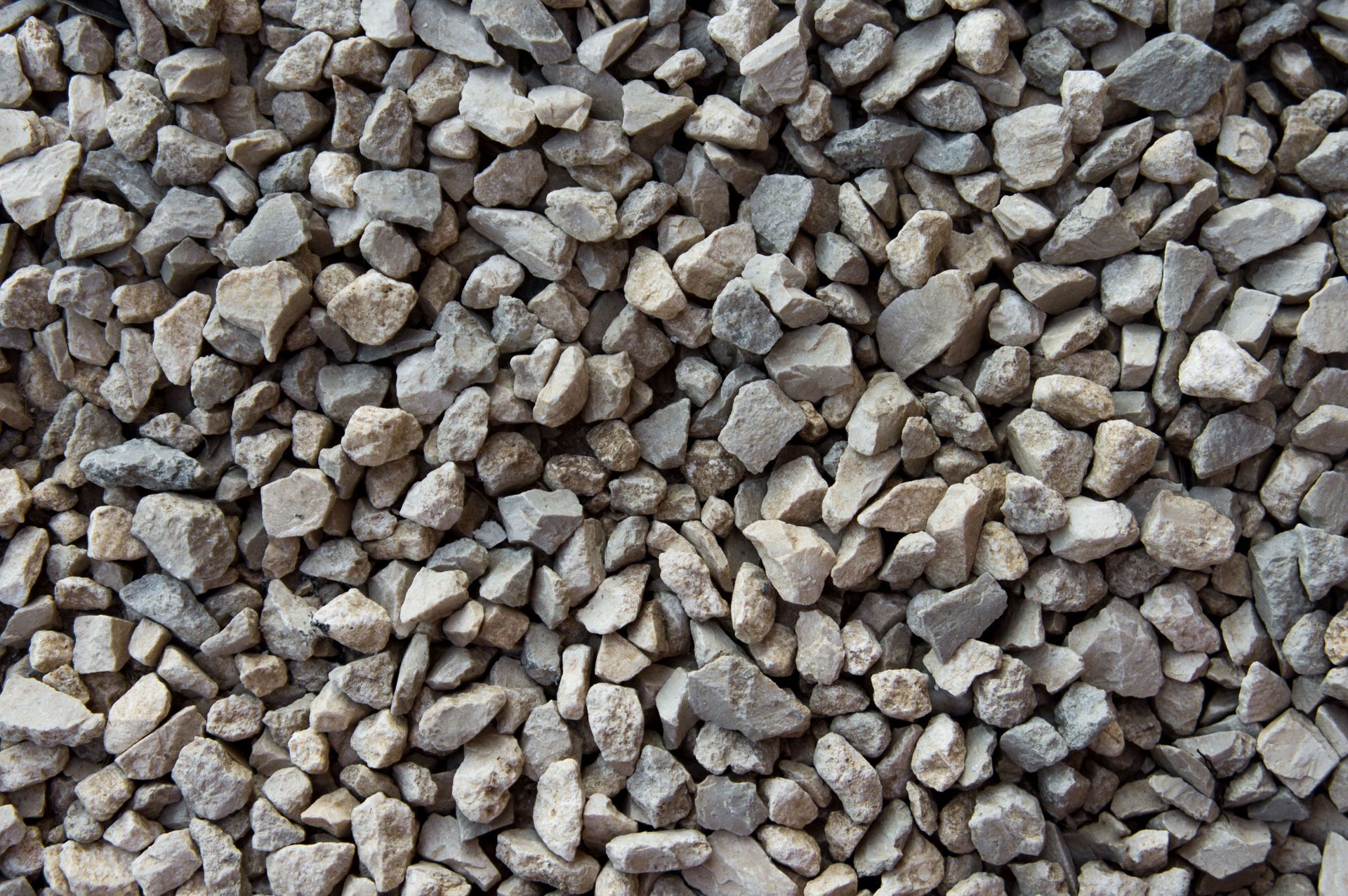
- Ready-Mix Concrete: The most prevalent choice for standard builds. This material consists of a highly precise mixture of cement, water, and coarse aggregates prepped at a centralized batching plant. It is delivered directly to your job site in a ready-to-use, fluid state within standard rotating drum transit mixers.
- Precast Concrete Products: Components that are cast, poured, and completely cured within a highly controlled factory environment before being transported to the job site for final structural assembly. This approach is widely favored for large-scale infrastructure projects like bridges or modular retaining walls.
- High-Performance Concrete (HPC): Specially engineered to deliver superior early-age strength, extreme durability, and advanced resistance to severe environmental stress or chemical exposure. HPC features optimized density and remarkably low permeability, making it ideal for high-traffic commercial zones.
The Ordering Process and Timeline
Estimating and Scheduling
Accurately estimating the volume of wet material required for your pour is a fundamental, high-stakes step in the ordering process that helps you completely avoid expensive under-ordering or wasteful over-ordering. This requires careful geometric calculations of your formwork dimensions while factoring in a healthy margin for spillage, base settlement, and structural waste. Once your volumetric requirements are verified, coordinating your concrete delivery schedules requires meticulous planning to align seamlessly with your active on-site labor schedule.
The timing of the truck's arrival must be perfectly calibrated because wet concrete has a strictly limited workable lifespan before it begins to set inside the drum. According to Family Handyman, it typically takes seven to ten minutes per yard to unload concrete.
This critical operational benchmark must be deeply integrated into your logistical planning, labor allocation, and site management strategy. If you order a standard ten-yard truck, you must ensure your placement crew is fully equipped to continuously handle, level, and screed the material for up to a full hour and a half of intensive unloading time.
Confirming Logistics
Before the transit mixer departs the batch plant, double-checking your site access routes and pouring logistics is a vital defensive measure. Clients must ensure that heavy, multi-ton delivery vehicles have a clear, uncompromised pathway to reach the designated discharge zone without sinking into soft soil or striking low-hanging overhead utility lines.
Delivery Logistics and Handling
On-Site Fleet Operations
The field mechanics of a successful concrete delivery rely heavily on specialized transport vehicles and placement equipment. Maintaining a fluid supply chain requires transit mixers to keep the wet aggregate under constant mechanical agitation during transport, which actively prevents segregation and premature hardening.
When a transit truck cannot drive directly up to the formwork due to steep terrain, tight property setbacks, or interior room layouts, hiring dedicated line pumps or boom trucks becomes completely necessary. This machinery effortlessly transfers the fluid material over long distances or elevated structures, maintaining a steady, uninterrupted placement speed that keeps your labor crew working efficiently.
Managing Site Disturbances
Various unpredictable external variables—such as gridlocked traffic, sudden weather changes, or poor staging preparation—can quickly derail your structural schedule. Extreme ambient heat accelerates hydration, forcing the mix to set too quickly, while sudden rainstorms can easily ruin the surface finish by introducing excess water. Navigating these site challenges requires open communication with your supplier and highly responsive field management to protect the integrity of the pour.
Post-Pour Requirements and Quality Control
Placement Best Practices
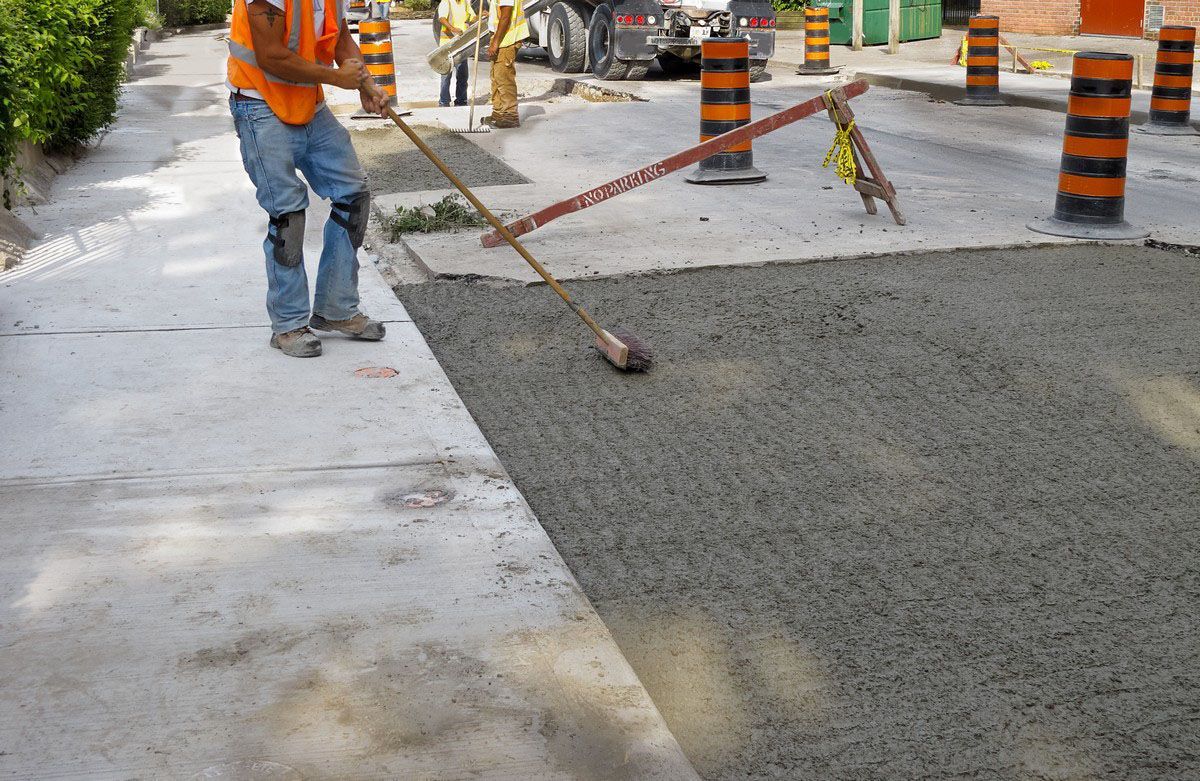
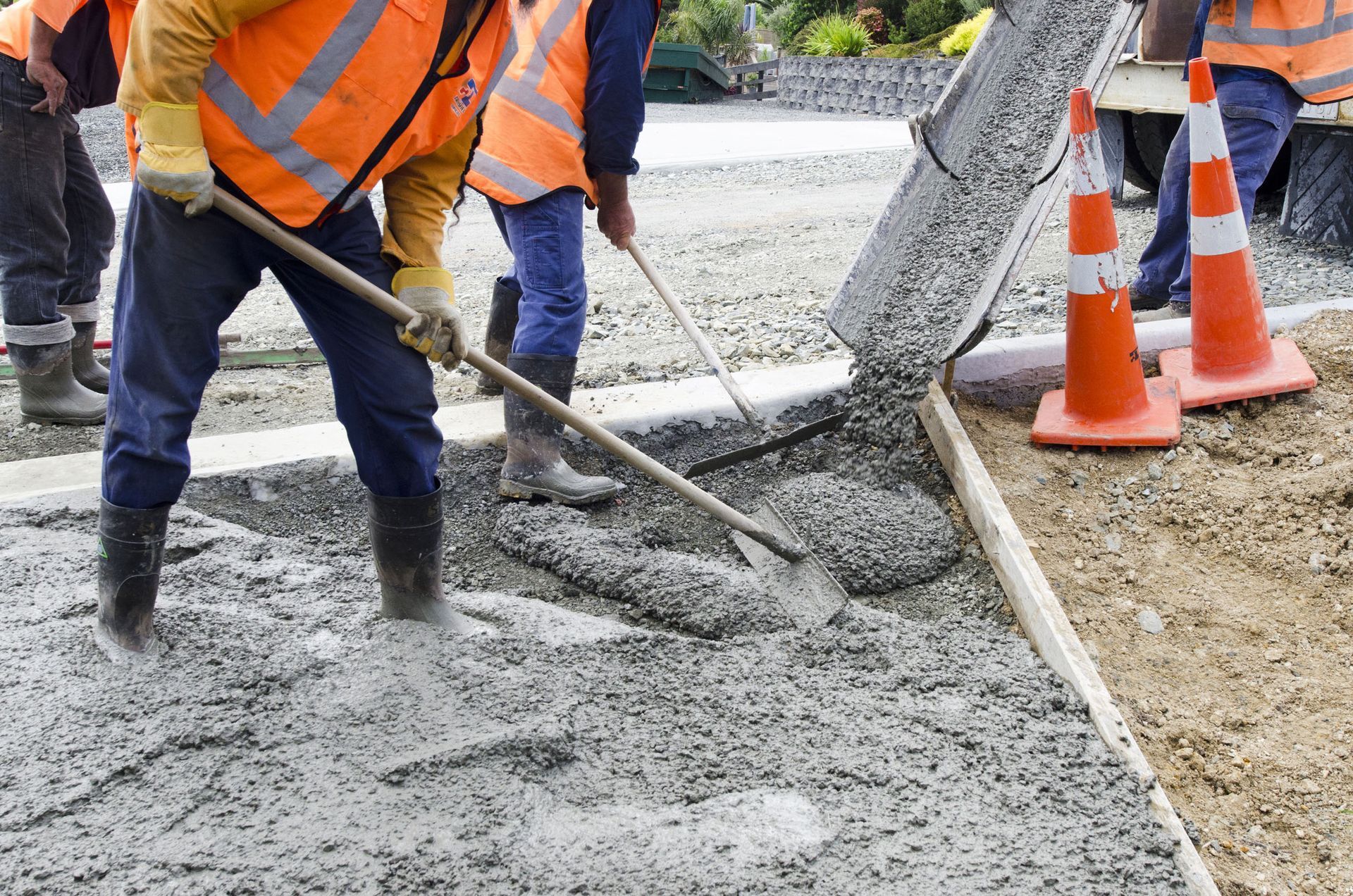
Pouring structural concrete involves a systematic sequence of clearing, leveling, and compacting to achieve an incredibly strong, durable surface completely free of dangerous internal air pockets. Workers utilize heavy mechanical vibrators immediately after discharge to consolidate the aggregate mix, ensuring it fills every corner of the formwork and tightly bonds around internal steel rebar networks. Once the material is placed to the correct depth, finishers use long highway straightedges and hand trowels to achieve a uniform, structurally sound finish.
Curing and Testing
Following the completion of the physical pour, adhering to strict curing protocols is paramount to achieving the material's full rated compressive strength. Curing requires keeping the fresh slab consistently moist and thermally insulated for several days using specialized moisture-retaining blankets or chemical curing compounds. To verify code compliance and validate engineering specifications, field technicians routinely cast standardized cylinder samples during the concrete delivery process. These samples undergo compressive stress testing at seven and twenty-eight days, providing data that confirms the structural foundation is capable of supporting its intended architectural loads safely.
Maintenance of Finished Surfaces
Protecting your concrete applications post-installation is crucial to extending their operational lifespan and preserving their visual appeal against weathering. Executing proper post-concrete delivery maintenance allows property owners to protect their surfaces against aggressive freeze-thaw cycles. Applying a high-quality penetrating silane or acrylic sealer introduces an invisible, highly defensive barrier that blocks moisture intrusion, prevents surface scaling, and actively repels harsh chemical stains. Combining regular power washing with annual joint inspections allows property owners to effortlessly minimize surface defects and avoid expensive structural repairs over the lifespan of the property. Investing a small amount of time into proactive surface maintenance completely safeguards your hardscape investment, ensuring it remains highly resilient, functional, and visually clean for many decades to come.
Navigating a successful residential or commercial pour requires a thorough, step-by-step understanding of material behaviors, precise site coordination, and strict adherence to post-installation curing timelines. By selecting the correct material type for your climate, accounting for the professional unloading pace, and preparing clear access routes for the fleet, you can easily guarantee a smooth, defect-free installation.
A flawless pour is not merely the result of good luck; it requires an aligned partnership between the site crew and the aggregate source. Every minor detailing error—from poorly braced formwork to an unlevelled subgrade—can permanently compromise the foundational integrity of your investment, leading to costly structural remediations down the road. True durability is achieved only when high-quality ready-mix meets rigorous on-the-ground management.
Do not leave your next structural build up to chance or rely on unverified suppliers who compromise on material consistency. When you are ready to schedule a premium
concrete delivery backed by elite quality control and reliable fleet management, contact the aggregate experts at Artistic Materials Inc to secure a lasting foundation for your next project.