October 16, 2026
Flowable fill, also known as controlled low-strength material (CLSM), is a self-leveling, self-compacting concrete material used for many applications in construction. It provides a versatile and efficient solution for filling voids, achieving consistent results, and enhancing productivity on the job site. This guide is designed to offer contractors a comprehensive understanding of how to effectively use a flowable fill service in various construction projects.
Understanding Flowable Fill
Definition and Composition
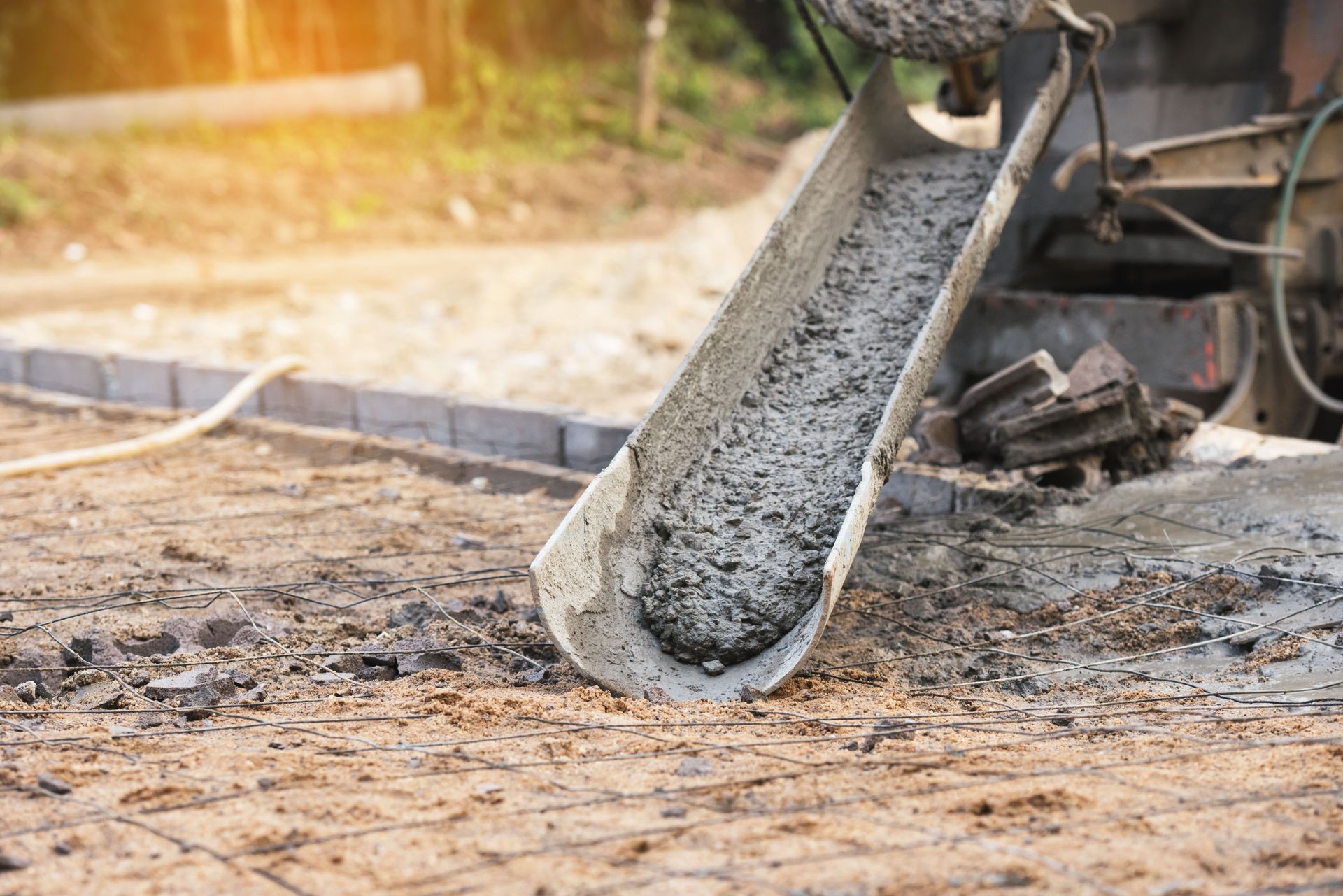
Flowable fill is a cementitious blend that provides a lightweight alternative to traditional fill materials. Its primary components generally include cement, water, sand, and sometimes fly ash or slag, which help to enhance workability and lower costs. This material is designed for ease of placement; its slurry consistency enables it to flow into the smallest crevices and corners of the need-to-fill area. This characteristic is particularly useful when complex structures, such as utility lines or foundation footings, need backfilling. The ability to customize the mix according to site demands is another significant benefit of using flowable fill for construction.
Benefits and Advantages
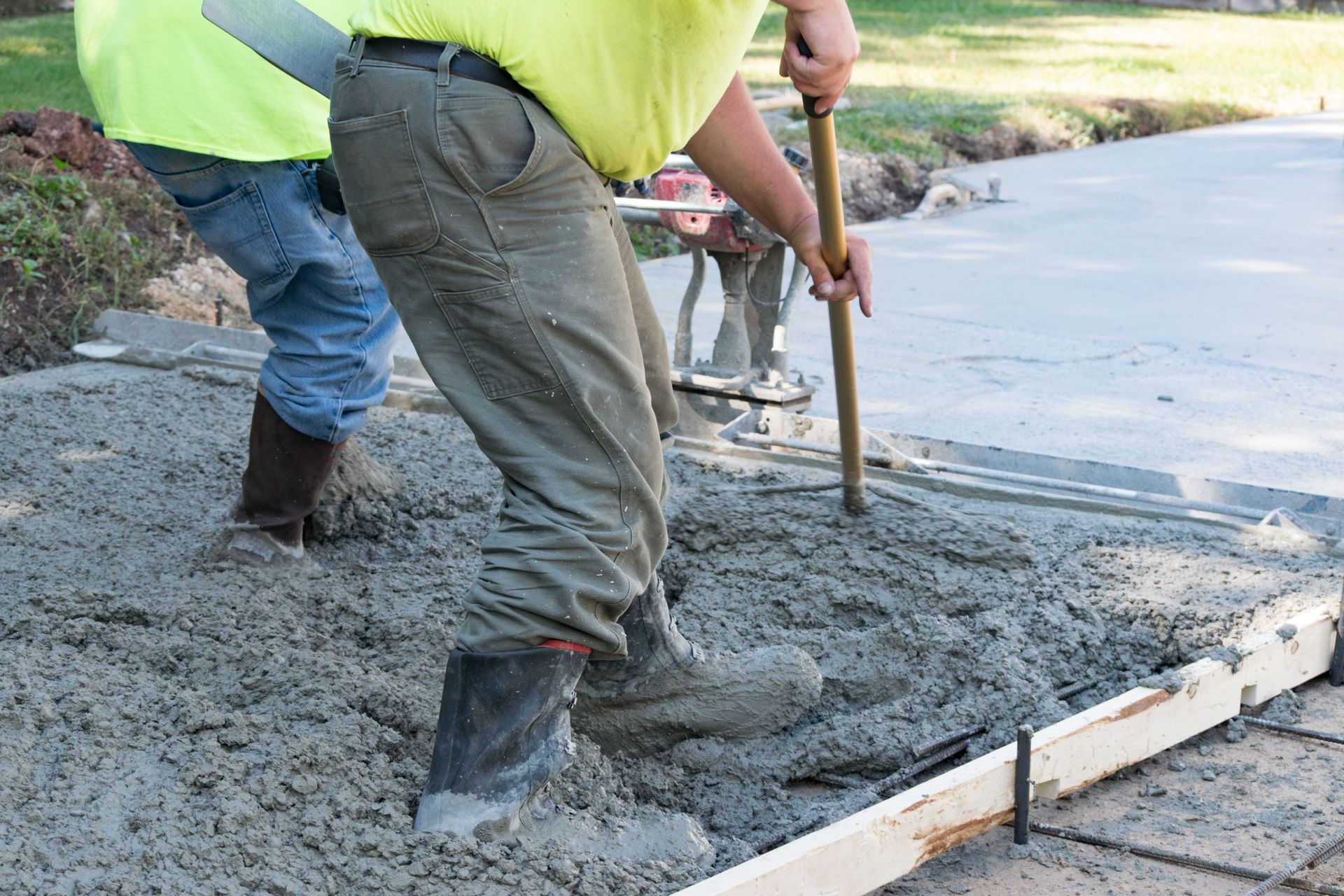
Compared to traditional methods like compacted soil or gravel backfill, partnering with a professional flowable fill service offers numerous advantages. It eliminates the labor-intensive process of layer compaction required for soil, significantly cutting down on project time and labor costs. The self-compacting nature ensures uniform filling, reducing the risk of future settlement and voids under structural elements. The non-settling characteristic of flowable fill also makes it an ideal material for supporting slab construction, underground utility fillings, and road repairs. It reduces errors during installation, as its flowing ability covers and protects all intervening spaces.
Applications in Construction
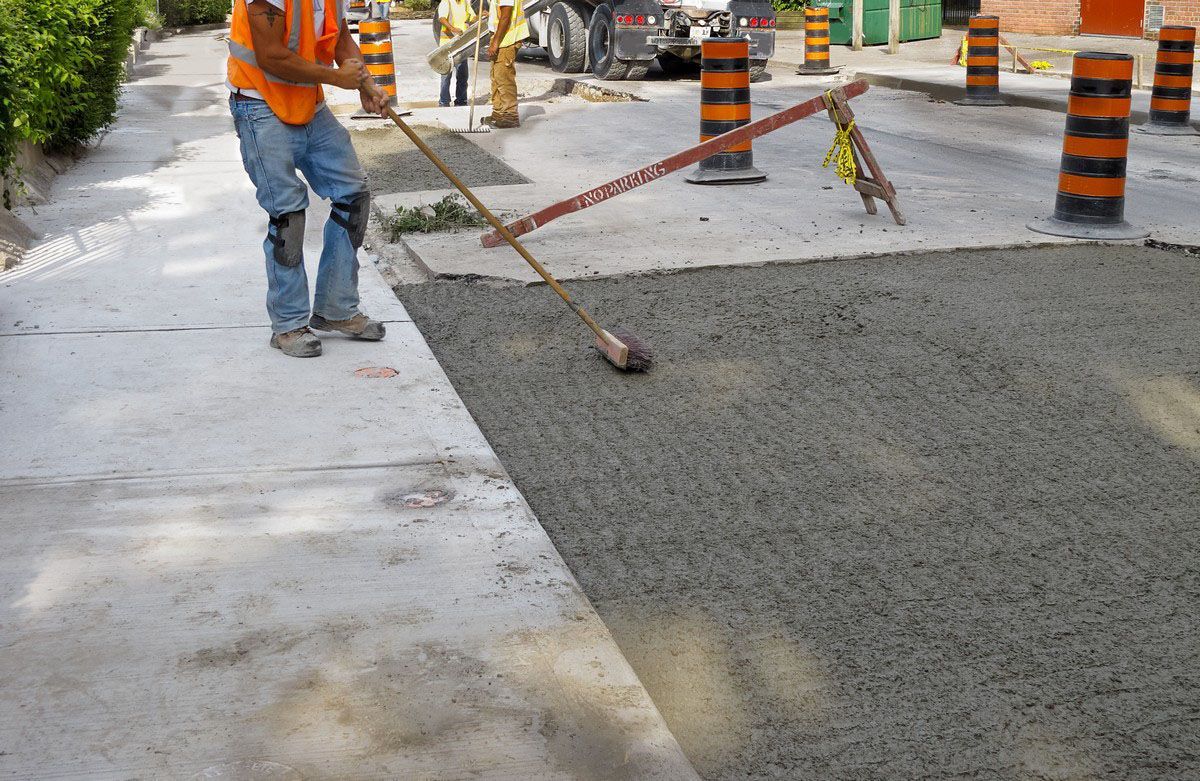
Its diverse applications make a flowable fill service a competitive choice in various projects, from simple home renovations to large-scale infrastructure developments. It is extensively used for backfilling utility trenches and other narrow applications where achieving effective compaction with soil is impractical. In roadway construction or repairs, flowable fill serves as an effective and quick alternative for base materials, reducing traffic delays due to its fast-curing properties. According to ProAll, asphalt or concrete may be able to cover fast-setting flowable fill in around 20 minutes, allowing a job to wrap in little more than an hour in some applications. This makes it an attractive option for projects requiring rapid turnarounds.
Strength and Durability
Flowable fill provides adequate strength for nearly every need while remaining less rigid than concrete, resulting in fewer cracks due to settlement. Typical compressive strengths range between 50 and 150 psi, though mixes can be formulated for different strengths depending on project requirements. This adaptability ensures enduring support without exerting excessive lateral pressure on the surrounding structures, advantageous for old or historic buildings. Furthermore, flowable fill maintains performance characteristics even under various weather conditions, showcasing versatility in construction environments. The inherent durability ensures that once installed, it performs reliably over a prolonged period with minimal maintenance.
Comparative Analysis With Concrete
While both flowable fill and concrete are used to provide structural support, they serve distinct purposes that inform material selection. Concrete is chosen for its high compressive strength and rigidity when utilized as a structural load-bearing element. Conversely, flowable fill offers flexibility and easier installation, which are crucial for non-structural fills where precision and reduced installation time are constraints. A particularly notable difference is the requirement of compaction in traditional concrete pourings, which is not necessary for flowable fill. Consequently, contractors can evade the added complexities associated with vibration and settling in concrete applications.
Preparation and Planning
Site Assessment
A thorough site assessment is critical in determining the appropriateness of using flowable fill. Contractors should evaluate soil composition, existing structures, and drainage conditions to decide if flowable fill is the optimal choice. Sites with difficult access or where traditional equipment cannot operate efficiently are ideal candidates. Understanding subsurface conditions and potential environmental issues ensures the long-term success and stability of the applied fill. By conducting a detailed inspection, contractors can anticipate potential complications selecting a mix that best meets job conditions.
Material Selection
When selecting materials for a flowable fill mixture, it's crucial to balance performance requirements with cost considerations. The inclusion of supplementary cementitious materials like fly ash can enhance fluidity and sustainability aspects of the mix. Engineers and contractors should always customize the blend according to specific use-cases, taking into account site-specific conditions such as temperature and moisture. Moreover, the choice of mix components directly impacts curing times and ultimate strength, underscoring the importance of thorough planning. By selecting appropriate additives, such as superplasticizers, contractors can tailor flowable fill to meet distinct project needs.
Cost Estimation
Accurately estimating the cost of employing a flowable fill service can be achieved by considering various factors, including material composition, transportation, and required volume. Contractors must account for all elements of supply and delivery logistics in their budget estimates to avoid project overruns. Despite higher initial costs compared to conventional soil backfill, flowable fill frequently reduces overall expenses by cutting down labor and time on site. Moreover, its reduced need for compaction equipment results in lower equipment costs, adding further comparative savings. Analyzing the total cost of ownership, contractors often find flowable fill to be a cost-effective choice.
Logistics and Scheduling
The logistics involved in the installation of flowable fill are significantly simplified due to its self-leveling and self-compacting properties. Scheduling deliveries to align with project phases ensures a seamless workflow and minimizes delays. Moreover, fast-setting options of flowable fill allow subsequent construction phases to commence sooner, further optimizing project timelines. Coordinating with a flowable fill service to guarantee timely delivery, especially in urban areas or remote locations, helps avert unnecessary downtime. Effective planning of both material supply and workforce allocation not only accelerates project completion but also improves the overall efficiency of resource use.
Permitting and Compliance
Navigating the landscape of permits and compliance is essential to ensure that construction projects meet local and national regulations. Different jurisdictions may impose varying requirements regarding the use of flowable fill, such as environmental guidelines, utility specifications, and structural codes. Contractors should conduct thorough checks of these stipulations well in advance of project initiation to prevent compliance issues. Environmental factors, such as runoff management, demand special attention to maintain community safety and ecological responsibility. Adeptly navigating these regulatory frameworks ensures both the viability and legality of construction initiatives.
Flowable fill fundamentally transforms how contractors approach backfilling, void filling, and structural support. By replacing labor-intensive soil compaction with a self-leveling, self-compacting cementitious blend, construction teams can drastically accelerate project timelines while virtually eliminating the risk of future ground settlement. The material's adaptable compressive strength ensures it can be custom-tailored for any environment, whether providing temporary support that requires easy future excavation for utility lines or serving as a permanent, fast-curing base for heavy roadway traffic.
Maximizing the operational and financial advantages of controlled low-strength material requires meticulous upfront planning. Contractors must carefully evaluate site-specific conditions, strictly manage delivery logistics, and tailor the exact mix design, incorporating appropriate additives, fly ash, or superplasticizers, to hit precise environmental and structural specifications. When seamlessly integrated into the construction schedule and properly aligned with local regulatory compliance, flowable fill easily offsets its higher initial material costs by heavily reducing labor, eliminating the need for heavy compaction equipment, and slashing overall installation time. Mastering the application of this versatile material empowers modern construction professionals to execute safer, highly efficient, and structurally sound projects, so contact Artistic Materials Inc today for a top-tier flowable fill service to source the perfect custom mix for your next build.