October 27, 2026
Property improvement projects generate waste that requires careful planning and responsible disposal. Whether renovating a home, updating a commercial building, or completing construction, managing debris helps protect the environment, maintain a safe worksite, and control expenses. Without an organized disposal strategy, materials can accumulate quickly, delaying progress and creating hazards. Proper waste removal keeps projects moving while supporting recycling and reducing landfill contributions. Using dumpster rentals when appropriate helps property owners and contractors manage debris efficiently.
Environmental Benefits of Responsible Waste Removal
Reducing Landfill Contributions
Construction projects produce wood scraps, concrete, drywall, metal, and other materials that take up valuable landfill space. Separating recyclable materials helps reduce unnecessary disposal. Metals can be processed for reuse, while suitable concrete can be crushed for other construction applications. These practices conserve resources and reduce the environmental costs of manufacturing new materials. Appropriately sized dumpster rentals also help organize debris collection and maintain consistent cleanup schedules.
Preventing Soil and Water Pollution
Improper disposal can introduce harmful substances into soil, waterways, and groundwater. Paints, solvents, batteries, and certain building materials may contain chemicals requiring specialized handling. Leaving these items in open areas increases contamination risks. Property owners should identify hazardous materials before work begins and arrange appropriate disposal through qualified services. Following local regulations helps protect ecosystems and avoid potential legal consequences.
Preserving Natural Resources
Recycling and reusing construction materials reduces demand for newly extracted resources. Salvaged lumber, reusable fixtures, and recovered metals can support other projects instead of becoming waste. A thoughtful waste management plan identifies reusable materials before disposal begins, helping property improvement projects operate more sustainably. Contractors can also coordinate with recycling facilities to determine which materials are accepted and how they should be prepared for recovery.
Health and Safety Benefits of Clean Worksites
Reducing Workplace Injuries
Loose boards, broken tiles, exposed nails, and scattered packaging create tripping and puncture hazards. Accumulated debris can also obstruct equipment and work areas. Regular cleanup keeps access routes clear and improves safety. Convenient dumpster rentals allow crews to remove debris throughout the project instead of letting hazardous piles accumulate.
Managing Hazardous Materials
Older buildings may contain asbestos, lead-based paint, or other substances requiring special precautions. Disturbing these materials without proper controls can expose workers and occupants to harmful contaminants. Qualified professionals should evaluate suspected hazardous materials and follow applicable safety requirements. Standard construction containers are not substitutes for specialized hazardous waste disposal.
Limiting Pest Activity and Poor Sanitation
Accumulated debris can shelter rodents and insects, especially when food waste or damp organic materials are present. Removing waste regularly reduces nesting areas and sanitation problems. Properly managed containers also help prevent scattered litter and keep the property orderly. Maintaining a clean site benefits workers and reduces the chance that pests will spread into neighboring properties.
Financial Benefits of Efficient Waste Management
Controlling Disposal Expenses
Waste removal costs can increase when materials are mixed unnecessarily, loads exceed container limits, or additional collections become necessary. Sorting recyclable items and estimating debris volumes helps property owners plan disposal expenses. According to Consumer Affairs, a 15-yard dumpster is one of the most common dumpster sizes, and it can fit 2,000 to 4,000 pounds of waste. Understanding container capacity helps project managers select an appropriate option based on expected debris volume and weight. Comparing dumpster rentals and included services can also help prevent unexpected costs.
Recovering the Value of Reusable Materials
Not every discarded item belongs in a waste container. Usable cabinets, doors, metal fixtures, and lumber may be suitable for donation, resale, or reuse. Scrap metal can sometimes be sold to recycling facilities, while salvaged materials may reduce future purchasing needs. Identifying these opportunities before demolition helps prevent unnecessary disposal and makes better use of the project's existing resources.
Maintaining Project Schedules
Debris buildup can slow construction by obstructing access and forcing workers to stop for cleanup. Consistent waste removal helps prevent interruptions. Project managers should coordinate collection with demolition, installation, and deliveries. Selecting dumpster rentals that accommodate anticipated waste volumes can reduce unnecessary pickups and help contractors maintain realistic timelines.
Common Types of Property Improvement Waste
Construction and Demolition Debris
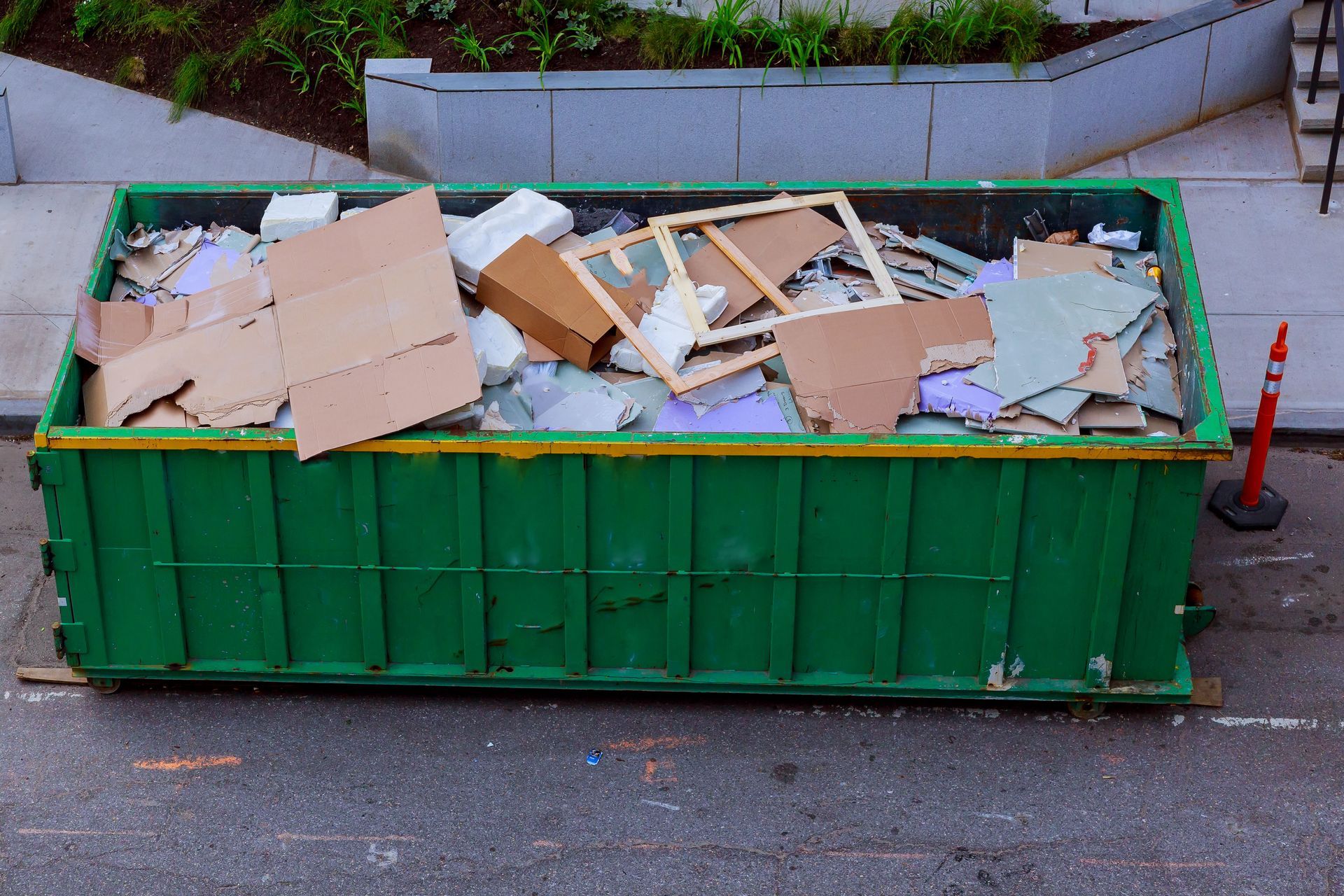
Wood, drywall, bricks, roofing materials, concrete, and metal are common byproducts of remodeling and demolition. Some materials can be recycled, while others require designated disposal facilities. Separating debris at the source improves handling efficiency. Before choosing a container, contractors should confirm which materials the provider accepts and whether weight restrictions apply. Planning for heavier materials is particularly important because a container can reach its weight limit before it appears full.
Organic and Yard Waste
Landscaping projects may produce branches, leaves, grass clippings, and roots. Depending on local services, these materials can be composted or processed into mulch. Keeping organic waste separate from construction debris improves recovery opportunities. Soil and large branches may have specific disposal requirements, so property owners should verify accepted materials beforehand.
Electronic and Specialized Waste
Property upgrades may involve discarded appliances, computers, batteries, and fluorescent bulbs. These items can contain materials requiring specialized recycling or disposal. Local recycling programs and qualified waste handlers can explain the correct procedures. Identifying specialized waste early helps prevent improper disposal and supports regulatory compliance.
Best Practices for Managing Project Waste
Planning Waste Removal Before Work Begins
An initial assessment helps estimate debris volumes and identify materials requiring separate handling. Property owners should consider project scope, available space, expected waste weight, and collection frequency. This information helps establish a practical cleanup schedule and select suitable dumpster rentals. Planning also allows contractors to arrange recycling and specialized disposal in advance. Reviewing the plan as work progresses helps accommodate unexpected debris without disrupting other project activities.
Choosing the Right Container
Container size should reflect expected debris volume, material weight, and available placement space. A container that is too small may require additional pickups, while an oversized option may create unnecessary costs. Contractors should consider vehicle access, overhead obstructions, and permits for placement on public property. Discussing project details with a waste removal provider clarifies capacity limits and collection arrangements.
Separating and Securing Debris
Sorting materials as they are removed simplifies recycling and disposal. Designated collection areas for reusable fixtures, recyclable items, and general debris reduce confusion. Workers should follow loading instructions and avoid prohibited materials. Keeping debris within the container's permitted fill line supports safer transportation and helps prevent spills. Regular checks also help crews identify materials that need to be removed separately.
Training Workers and Reviewing Procedures
Workers should understand cleanup expectations, sorting procedures, and safety requirements. Clear instructions help crews identify hazardous items and keep pathways unobstructed. Supervisors can review waste volumes and collection schedules throughout the project, adjusting arrangements when necessary to improve efficiency. Consistent communication ensures everyone understands their responsibilities and helps maintain site cleanliness from demolition through final cleanup.
Building Better Waste Removal Habits
Responsible waste removal benefits property owners, contractors, workers, and surrounding communities. Recycling conserves resources, organized cleanup reduces workplace hazards, and careful planning helps control expenses. Successful projects combine material sorting, safe handling, and timely collection. Choosing appropriate containers and understanding disposal restrictions makes property improvements more manageable. With a clear strategy, teams can reduce unnecessary waste, keep work areas accessible, and complete projects with fewer avoidable disruptions.
For property owners and contractors preparing for renovation, demolition, or cleanup, Artistic Materials Inc can help address waste removal needs. Contact the company to discuss your project and explore suitable dumpster rentals for containing debris, maintaining an organized worksite, and supporting an efficient property improvement process.