November 10, 2026
Concrete is one of the most widely used construction materials because of its strength, versatility, and durability. From residential driveways and commercial foundations to large infrastructure projects, concrete provides reliable support for essential structures. However, producing quality concrete involves more than combining cement, water, and aggregates.
At Artistic Materials Inc, we understand how each stage of the concrete lifecycle influences material performance, project efficiency, and durability. From sourcing raw materials to delivering metered concrete and supporting responsible material management, understanding these processes helps contractors and property owners make informed decisions.
Understanding Raw Material Extraction
Sourcing Cement and Limestone
Cement is a primary ingredient in concrete, and its production begins with limestone extraction. Limestone is quarried, processed, and heated to create the binding material that helps concrete develop strength.
This process requires substantial energy and generates carbon emissions. Responsible sourcing practices, improved technologies, and efficient transportation can help reduce environmental impacts while maintaining material quality.
Selecting Quality Aggregates
Aggregates, including sand, gravel, and crushed stone, make up most of a typical concrete mixture. Their size, shape, and composition influence workability, strength, and durability.
Selecting appropriate aggregates is essential for meeting project specifications. Recycled aggregates may provide alternatives for certain applications when they satisfy applicable performance requirements.
Managing Water Resources
Water activates the chemical reactions that allow cement to bind aggregates together. Its quantity and quality directly influence concrete consistency and strength development.
Professional concrete suppliers carefully manage water proportions to maintain dependable results. Excessive water can weaken finished concrete, making accurate measurements important.
Understanding Concrete Production
Measuring Concrete Ingredients
Producing dependable concrete requires precise measurements and consistent mixing. Cement, aggregates, water, and applicable admixtures must be proportioned according to project requirements.
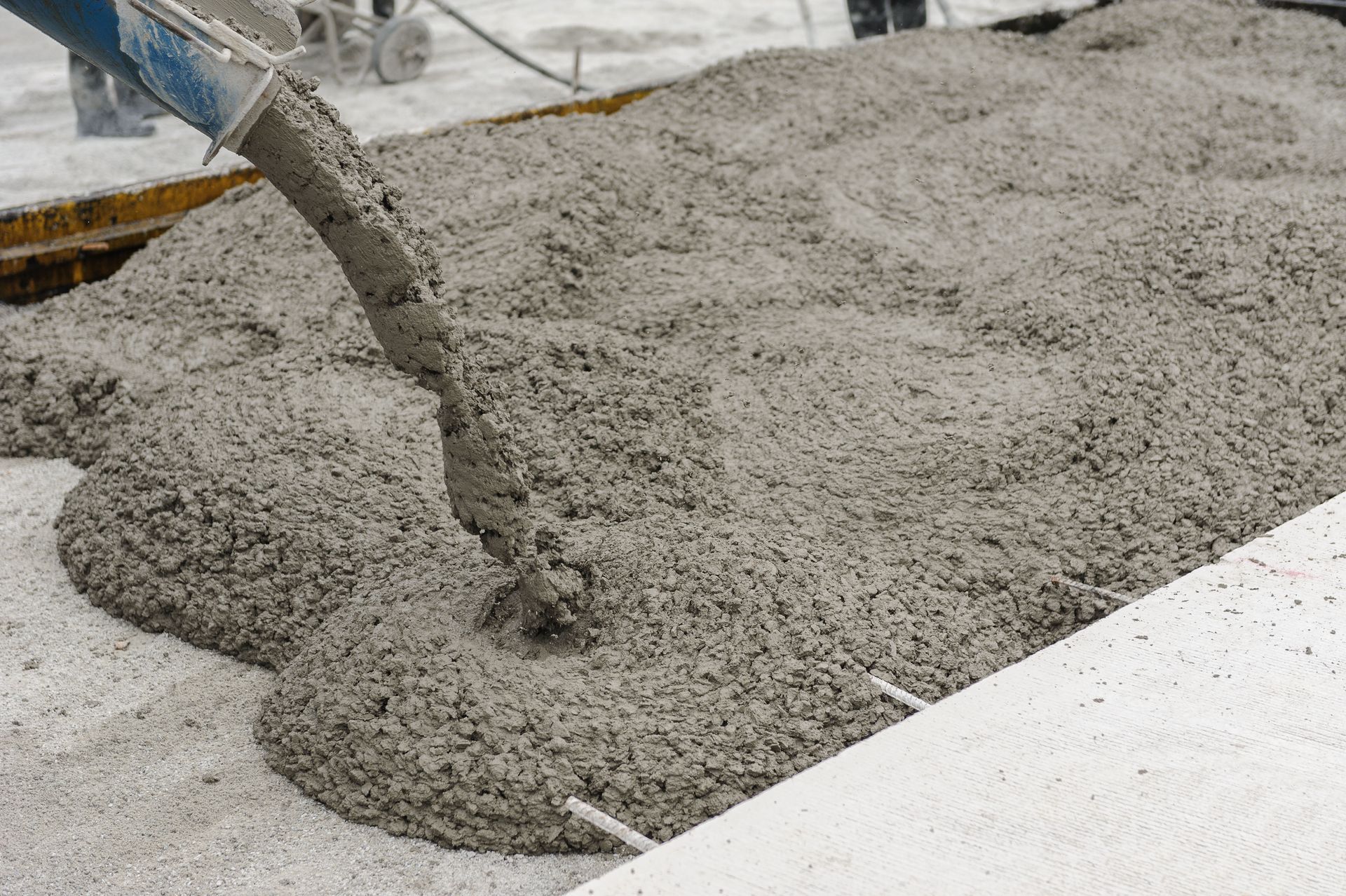
Metered concrete offers flexibility because specialized equipment measures and combines ingredients according to the amount needed. This approach is useful for projects requiring controlled quantities or adjustments to delivery volumes.
At Artistic Materials Inc, we recognize the importance of matching concrete supply with project demands. Accurate planning helps contractors manage schedules, control waste, and maintain efficient operations.
Maintaining Quality Standards
Quality control is essential throughout concrete production. Suppliers and testing professionals evaluate properties such as consistency, temperature, air content, and compressive strength to determine whether materials meet specifications.
According to WifiTalents, standard ready-mix concrete takes about 28 days to reach full compressive strength. More precisely, 28 days is the commonly used benchmark for evaluating specified compressive strength, although concrete may continue gaining strength afterward.
Understanding this timeline helps construction professionals establish appropriate schedules for curing, testing, and subsequent activities.
Improving Production Efficiency
Modern concrete production incorporates equipment and processes designed to improve consistency and reduce unnecessary material consumption.
Metered concrete can support efficient material management by allowing suppliers to produce quantities based on project requirements. This flexibility may reduce leftover concrete when estimating exact volumes is challenging.
Professional coordination remains essential for determining suitable mixtures, quantities, and delivery arrangements.
Understanding Concrete Transportation
Coordinating Material Delivery
Transporting concrete requires careful scheduling because fresh mixtures have limited working time. Delivery distances, traffic, site accessibility, and weather influence transportation efficiency.
Reliable communication between suppliers and contractors helps minimize delays and supports timely placement.
For projects using metered concrete, delivery planning should account for equipment accessibility, anticipated quantities, and placement schedules. Proper coordination allows crews to work efficiently while maintaining material consistency.
Supporting Professional Placement
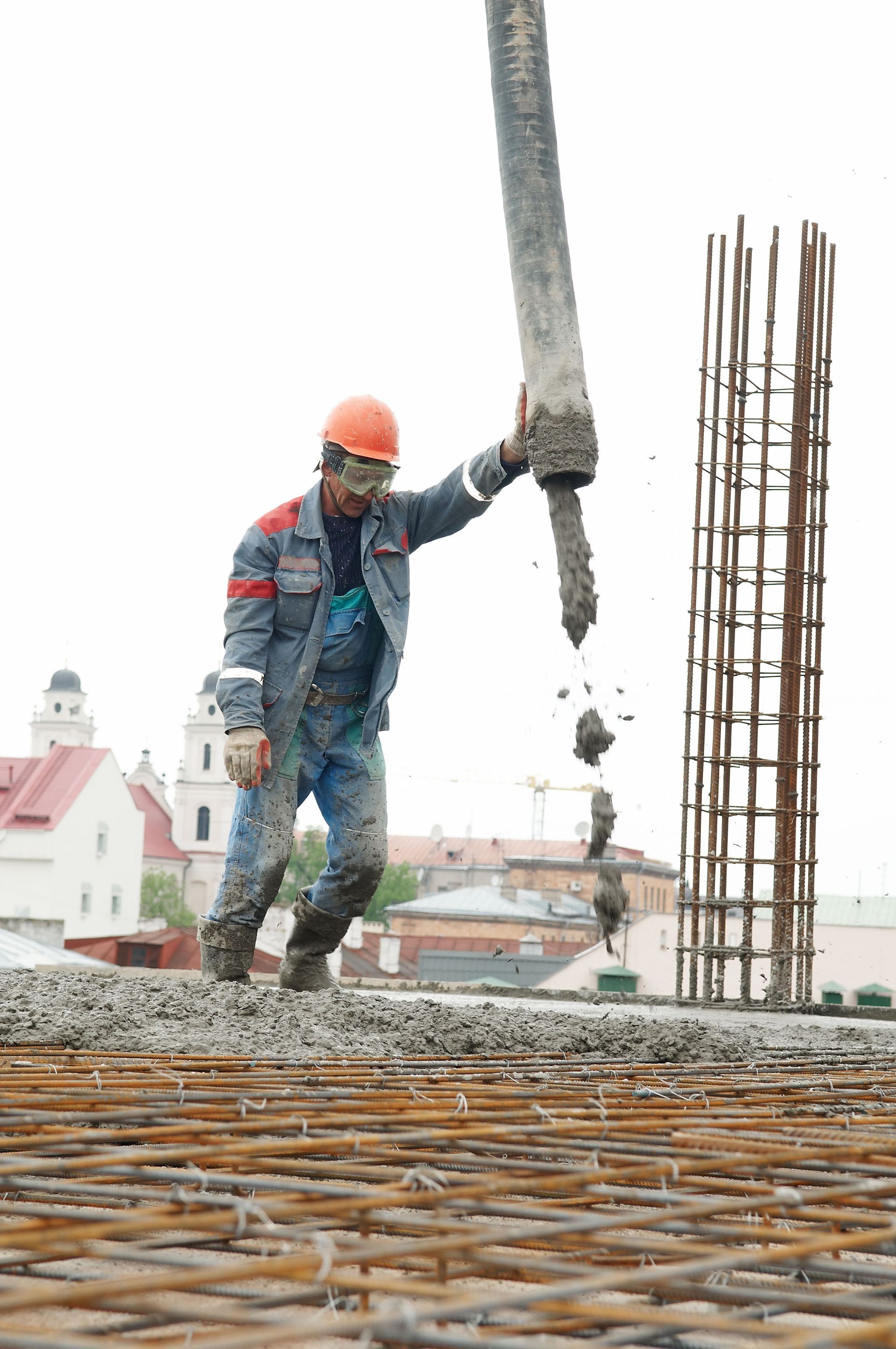
Concrete placement influences the performance and appearance of finished surfaces. Contractors must consider site preparation, reinforcement requirements, placement methods, and finishing conditions.
Depending on the project, specialized equipment may be necessary to move concrete into difficult locations.
Professional placement helps reduce issues such as uneven distribution, inadequate consolidation, and surface imperfections. These considerations are especially important for structural applications.
Reducing Transportation Waste
Transportation contributes to concrete's environmental footprint through fuel consumption and material handling.
Efficient delivery routes and accurate volume estimates can reduce unnecessary trips. Metered concrete may minimize unused material by allowing quantities to be adjusted according to project needs.
Thoughtful planning benefits construction efficiency and resource management.
Understanding Concrete Curing
Supporting Proper Hydration
Concrete gains strength through hydration, the chemical reaction between cement and water. This process begins during mixing and continues as the material hardens.
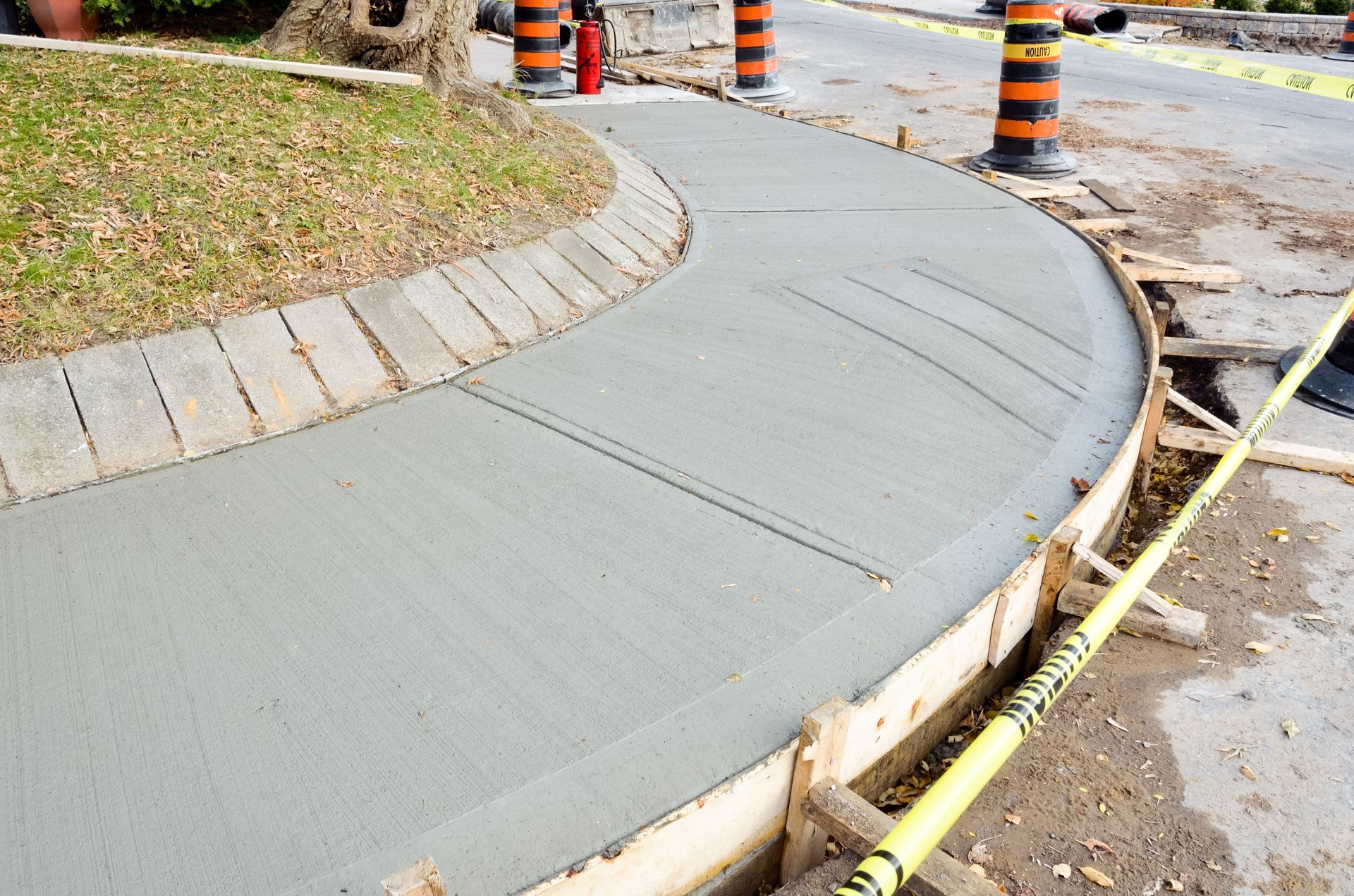
Maintaining suitable moisture and temperature conditions is essential for strength development. Premature moisture loss can contribute to cracking, surface weakness, and reduced durability.
Professional contractors select curing procedures based on environmental conditions and project specifications.
Managing Environmental Conditions
Temperature, humidity, wind, and precipitation affect how concrete develops strength.
Cold weather may slow hydration, while excessive heat and wind can accelerate moisture evaporation. Both situations require professional planning to protect the installation.
When coordinating metered concrete deliveries, contractors should consider weather forecasts and placement conditions. Appropriate preparation helps protect material quality and avoid complications.
Monitoring Strength Development
Concrete does not achieve its intended strength immediately after placement. Its performance develops over time, making curing schedules important for construction planning.
Testing professionals may evaluate compressive strength at designated intervals to confirm compliance with project requirements.
At Artistic Materials Inc, we believe understanding these timelines helps customers coordinate deliveries with realistic construction schedules. Professional testing and engineering guidance remain essential when determining whether concrete can support additional loads.
Understanding Concrete Usage and Maintenance
Evaluating Structural Performance
Concrete is valued for its ability to withstand substantial compressive loads. When combined with reinforcement, it can support applications requiring additional tensile resistance.
Its versatility makes it suitable for foundations, pavement, retaining structures, and commercial installations.
Selecting appropriate materials is fundamental to achieving dependable results. Metered concrete can accommodate different project requirements when suppliers provide suitable mixtures and production processes.
Protecting Finished Surfaces
Although concrete is durable, exposure to moisture, chemicals, traffic, and temperature changes can gradually affect its condition.
Professional inspections help identify cracking, surface deterioration, drainage problems, and other concerns before they become serious.
Depending on the application, maintenance specialists may recommend cleaning, sealing, joint repairs, or protective services.
Addressing Material Deterioration
Concrete damage can result from environmental exposure, improper drainage, heavy loads, or construction deficiencies.
Repair professionals evaluate underlying causes before recommending restoration methods. Treatments may include crack repair, resurfacing, or replacement of deteriorated sections.
Addressing damage promptly can extend the useful life of concrete installations and reduce extensive repairs.
Understanding Concrete Recycling
Processing Existing Concrete
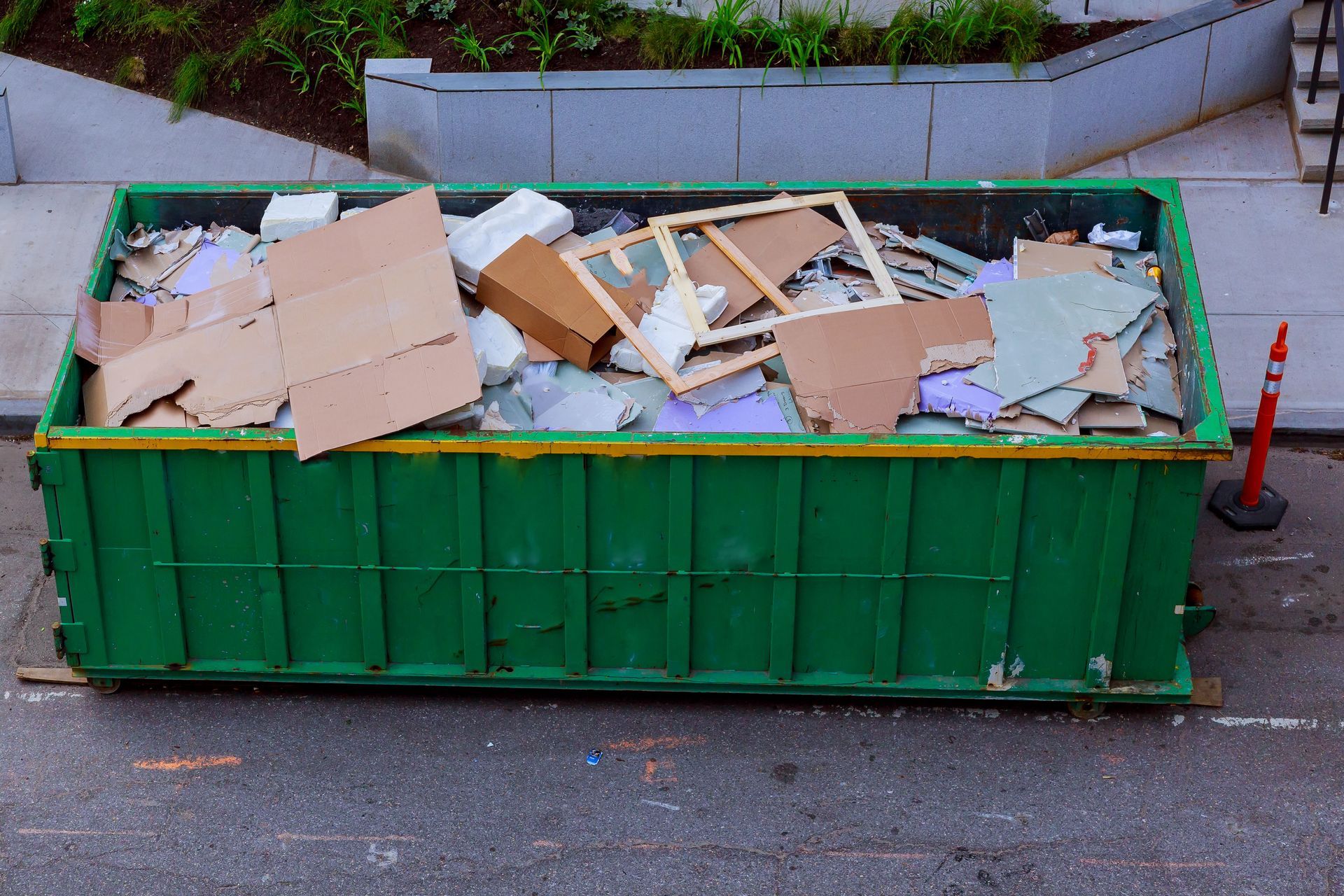
At the end of its useful life, concrete does not necessarily need to become landfill waste. Demolition contractors and recycling facilities can process suitable materials for reuse.
Concrete debris is commonly crushed, screened, and separated to produce recycled aggregates. These materials may be appropriate for road bases, backfill, and certain construction applications.
Professional evaluation determines whether recycled materials meet performance requirements.
Conserving Natural Resources
Recycling concrete can reduce demand for newly extracted aggregates and limit construction debris entering landfills.
However, recycled material quality varies depending on its original composition, contamination, and processing methods.
Responsible recycling programs balance environmental benefits with construction standards to ensure materials remain suitable for their intended applications.
Advancing Sustainable Practices
The concrete industry continues exploring technologies that improve material efficiency, reduce emissions, and expand recycling opportunities.
Metered concrete contributes to this discussion by offering an approach to supplying project-specific quantities, potentially reducing excess material.
At Artistic Materials Inc, we recognize that responsible concrete supply begins with planning and continues through efficient production, delivery, and material management.
Choose Artistic Materials Inc for Your Concrete Supply Needs
Understanding the concrete lifecycle helps contractors and property owners appreciate material quality, professional coordination, and responsible construction practices. Every stage, from extraction and production to curing, maintenance, and recycling, influences project performance.
At Artistic Materials Inc, we understand that reliable concrete supply plays an important role in successful construction. Whether your project involves residential improvements or commercial development, selecting suitable materials and coordinating dependable delivery are essential.
If you're planning a construction project and exploring metered concrete options, contact Artistic Materials Inc to discuss your requirements. Our team can help you evaluate your concrete supply needs and plan for an efficient, professionally coordinated project.