November 4, 2026
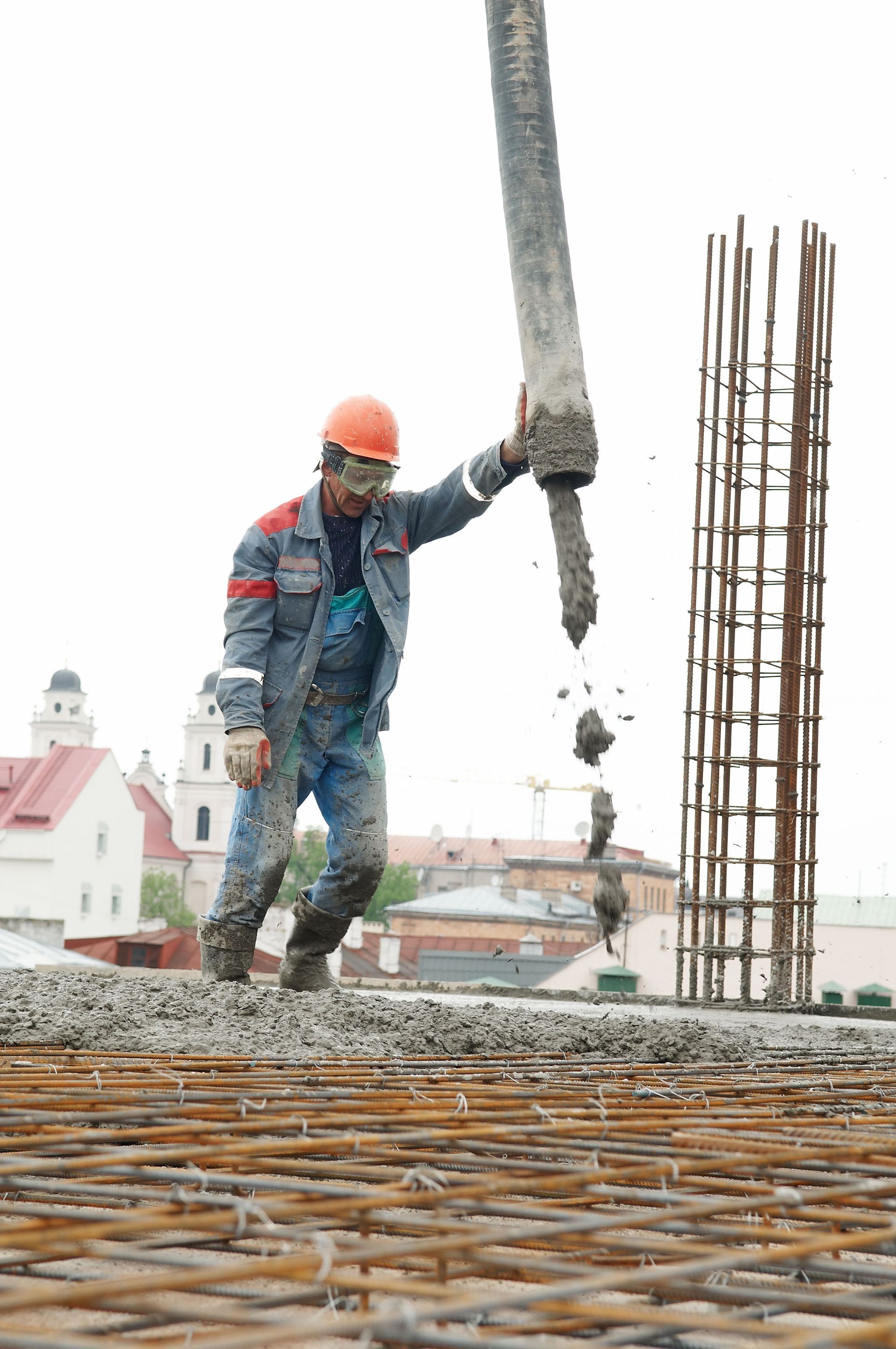
Choosing the right backfill material can affect how efficiently a construction project moves from excavation to the next phase. Traditional soil or aggregate backfill often has to be placed in lifts and mechanically compacted. Flowable fill offers a different approach. Because it is placed as a fluid material, it can move around pipes, into irregular spaces, and across areas that would be difficult to compact evenly by hand or machine.
According to the University of Connecticut/NESMEA, flowable fill is a cementitious material that levels and compacts itself and has an unconfined compressive strength of no more than 1,200 psi. That combination helps explain why flowable fill services are used for utility trenches, abandoned structures, foundation bases, and other projects where controlled placement matters.
Before selecting a backfill approach, contractors should consider access, excavation geometry, surrounding utilities, engineering specifications, and what will happen above the filled area. A material that works well in an open excavation may not be the best choice beneath pavement, around sensitive infrastructure, or in a location that might need to be reopened later. Those conditions should be discussed before delivery is scheduled.
1. It Eliminates the Need for Traditional Compaction
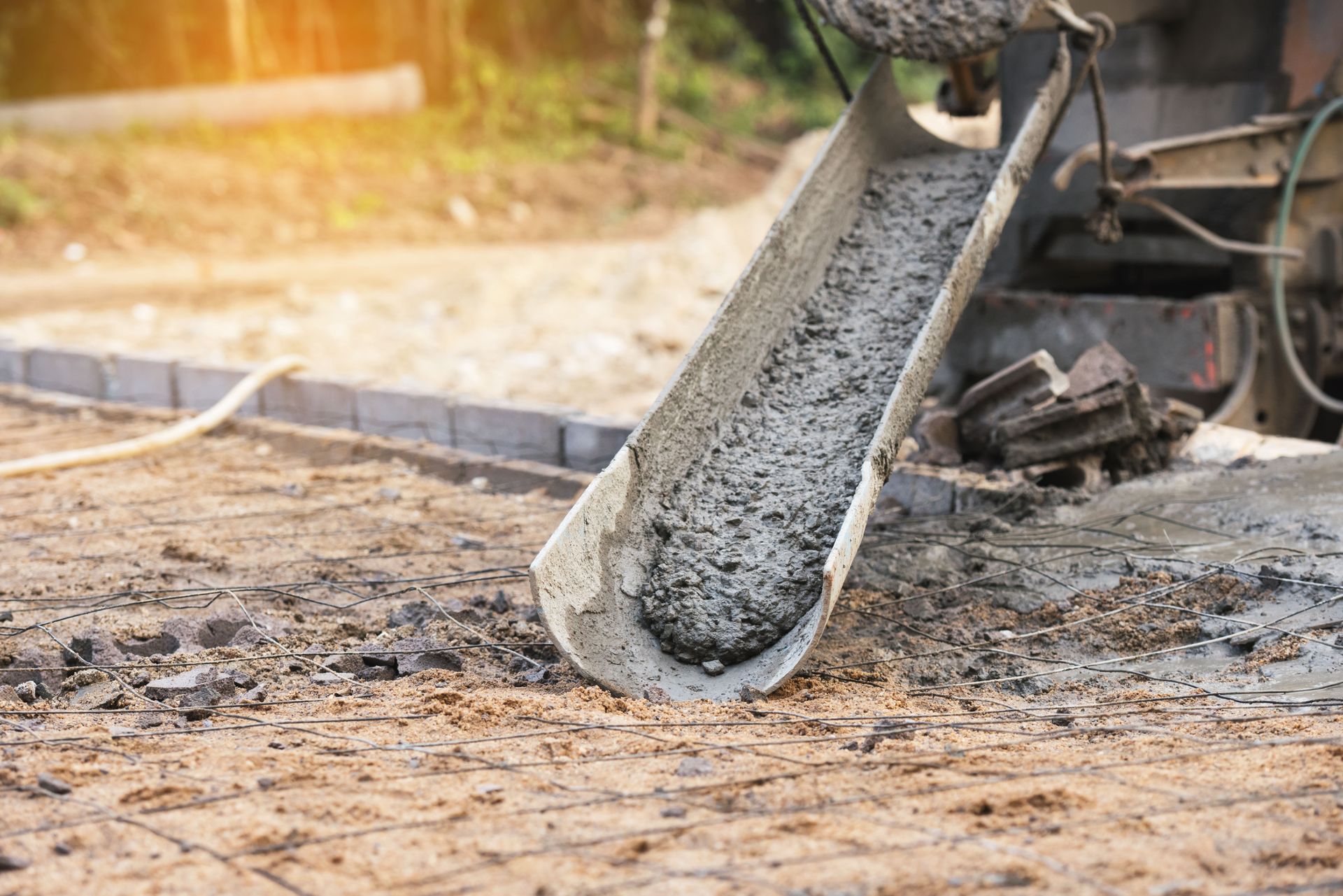
One of the biggest differences between flowable fill and conventional backfill is the way it is placed. Traditional granular materials typically need to be installed in layers and compacted to achieve the desired support. Flowable fill is designed to settle into place without mechanical tamping or vibration.
That can simplify the work around trenches, pipes, and confined excavations where bringing in compaction equipment may be difficult. It can also reduce the number of separate placement and compaction steps required before the project can move forward.
Our flowable fill services are mixed for the needs of the specific application. We focus on providing the right balance of flow and strength so the material can reach the intended space and perform as planned after placement.
2. It Reaches Tight and Irregular Spaces
Excavations are not always neat rectangles with easy access. Utility lines, existing foundations, pipe networks, and other structures can leave narrow gaps and irregular voids that are challenging to fill with conventional materials.
Flowable fill can move into those spaces while it is still in a fluid state. The Federal Highway Administration notes that the material is capable of filling voids in irregular excavations and hard-to-reach areas, including spaces around pipes. That characteristic can be especially useful where complete contact around existing infrastructure is important.
We deliver flowable fill for trench backfill and utility bedding as part of our on-site concrete services. By bringing the material directly to the project, we can help contractors address spaces that may be difficult to reach with standard backfill and compacting equipment.
3. It Provides Controlled Strength for Backfill Applications
Flowable fill is sometimes mistaken for structural concrete, but the two materials serve different purposes. Flowable fill is generally classified as controlled low-strength material, or CLSM. Its strength is intentionally kept lower than conventional structural concrete so it can function as fill rather than as a structural slab, footing, or wall.
Controlled strength can be useful when a project needs a stable fill material without using a higher-strength concrete mix that was designed for another purpose. The correct specification depends on the application, engineering requirements, and whether future excavation may be necessary.
Our team creates flowable fill mixtures based on project needs instead of treating every job the same. When contractors discuss flowable fill services with us, we can review the intended application and coordinate a mix that reflects the required placement and strength characteristics.
4. It Can Support Utility and Trench Work
Utility trenches are one of the most common places where flowable fill can be useful. Pipes, conduit, and other buried infrastructure often create areas that are difficult to compact uniformly with ordinary soil or stone. Flowable material can surround those components and fill spaces beneath or alongside them.
That makes it a practical option for pipe support, utility bedding, and trench backfill when the project specification allows it. It can also be considered when an excavation contains shapes or obstructions that make repeated compaction passes difficult.
We provide flowable fill for construction projects throughout South Jersey and can deliver material to active job sites. Our drivers are trained on our cement trucks, and our team pays close attention to the mix and delivery process so contractors receive material suited to the work being performed.
5. It Can Reduce the Amount of Heavy Compaction Equipment Needed
Because flowable fill is self-compacting, a project may not require the same rollers, plate compactors, or tamping equipment that would normally be used with granular backfill. The exact equipment needs still depend on the project, site conditions, and surrounding work, but eliminating mechanical compaction for the fill itself can simplify certain jobsite operations.
This can be particularly helpful in tight areas where moving equipment is inconvenient or where access around existing utilities is limited. Fewer compaction passes may also reduce the amount of work occurring directly beside buried pipes or other components.
Professional flowable fill services should still be coordinated with the project plans and engineering requirements. We work with contractors to provide the material and delivery support needed for the specified application rather than assuming flowable fill is appropriate for every excavation.
6. Delivery Can Be Coordinated Around the Project Schedule
Material performance matters, but so does getting the material to the site when the crew is ready for it. Delays in concrete or backfill delivery can affect other trades, inspections, excavation schedules, and the ability to close a trench or move to the next stage.
We offer overnight and emergency concrete delivery for projects that face unexpected timing needs. Our on-site services also include metered concrete and flowable fill delivery, giving contractors options when a project requires material to be supplied directly where the work is taking place.
Our trained drivers operate Zim-Mixer equipment, and we use our experience with concrete production and delivery to coordinate batches around actual project requirements. For contractors comparing flowable fill services, reliable scheduling and the ability to discuss the mix before delivery can be just as important as the material itself.
7. It Offers a Practical Alternative to Conventional Backfill
Flowable fill is not the answer for every project, but it can be a useful alternative when traditional backfill would require extensive placement, compaction, or access around difficult spaces. Its ability to flow, level itself, and harden with controlled strength gives engineers and contractors another option for solving specific backfill challenges.
Flowable fill can also help create a predictable placement process because crews do not have to judge compaction in the same way they would with loose granular material. That does not remove the need for planning, site preparation, or engineering oversight. It simply changes the installation method. Understanding that distinction helps contractors decide when this material offers a clear advantage and when another backfill method makes sense.
We have served South Jersey since 1986 and bring more than 40 years of industry experience to our concrete and material services. We are licensed and fully insured, use trained drivers, and provide custom concrete mixes, on-site services, landscape materials, dumpster rentals, and other support for construction projects.
If your next project involves utility trenches, pipe bedding, difficult voids, or another backfill application, contact Artistic Materials Inc to discuss whether flowable fill services are appropriate for the job. We can help you review the delivery needs, mix requirements, and scheduling considerations so you can move forward with a material solution that fits the project.