June 11, 2026
The execution of modern excavation and infrastructure projects requires materials that combine structural reliability with operational efficiency. Historically, backfilling utility trenches, patching roadways, and stabilizing subterranean voids have relied on soil compaction, gravel layering, and extensive manual labor. However, these conventional methods frequently introduce significant challenges, including soil settlement, moisture retention, and structural instability. When backfill material is poorly compacted, the overlying pavement eventually sags, cracks, and fails, creating hazardous conditions and requiring expensive repairs. To overcome these persistent obstacles, engineering professionals have increasingly turned to advanced liquid soil alternatives. Understanding how these specialized mixtures operate and how they can streamline your job site activities is essential for maintaining project timelines. Utilizing professional flowable fill services provides a highly reliable, self-leveling solution that eliminates the typical risks of shifting earth. By exploring the unique capabilities of this fluid material, contractors can optimize their structural designs, protect buried assets, and deliver superior results that stand up to heavy traffic and environmental stress without the need for traditional compaction machinery.
The Functional Benefits of Flowable Fill
This innovative material, often referred to as controlled low-strength material, is a highly fluid mixture of sand, water, cementitious binders, and industrial byproducts like fly ash. Unlike standard concrete, which is engineered to achieve extreme structural hardness, this fluid backfill is specifically formulated to behave like stable, self-compacting soil. The primary advantage of this composition is its remarkable fluid behavior when wet. When poured into an excavation site, the material flows effortlessly into every crack, crevice, and under-cut area, completely encapsulating pipes, conduits, and irregular voids. This self-leveling capability means that workers do not need to enter deep trenches with heavy compacting plates or mechanical tamps, which dramatically improves site safety and reduces labor costs. Furthermore, because the mixture is highly uniform, it does not suffer from localized weak spots or settling issues that commonly plague compacted dirt. Relying on professional flowable fill services ensures that the material arrives with the precise consistency required for your specific site, guaranteeing a stable foundation that will never shift, wash away, or shrink over time.
The Core Applications in Modern Construction
The versatility of this fluid aggregate makes it an invaluable asset across a wide spectrum of civil engineering and utility projects. A primary application is the backfilling of utility trenches, where pipes carrying water, gas, electricity, or fiber-optic cables must be quickly and safely buried beneath roadways. Because the material wraps completely around these conduits, it provides a protective cushion that shields the lines from physical crushing forces and shifting earth. Additionally, this mixture is widely utilized for filling abandoned underground storage tanks, sewer lines, and basements, where physical access is restricted and traditional soil compaction is impossible. The fluid can be pumped through small access points, completely filling the void to prevent future ground collapses without requiring extensive excavation. It is also an exceptional solution for slope stabilization, retaining wall backfill, and subgrade improvement beneath structural foundations. This adaptability allows construction crews to overcome complex physical constraints, delivering a reliable, solid base that supports heavy infrastructure while simplifying the logistical demands of the project.
The Critical Strength and Excavation Standards
A common concern among utility providers and municipal engineers when considering cement-based backfills is the potential difficulty of future excavations. If a pipe leaks or a cable requires upgrading, workers must be able to dig down to the utility line without using heavy jackhammers that could destroy the buried infrastructure. Fortunately, this material is engineered with a controlled compressive strength that balances immediate stability with long-term excavatability. According to the North Eastern States' Materials Engineer Association, flowable fill with a compressive strength less than 150psi may be excavated manually while at the same time have adequate bearing capacity to support an automobile. This precise technical standard is what makes the material so revolutionary for municipal road cuts and utility repairs. It remains soft enough to be dug up with standard hand shovels, yet it possesses the load-bearing capacity to support heavy vehicular traffic shortly after curing. This balance ensures that road repairs remain flat and stable, while preserving the accessibility of vital underground utilities for future maintenance crews.
Self-Leveling Characteristics With Traditional Backfill
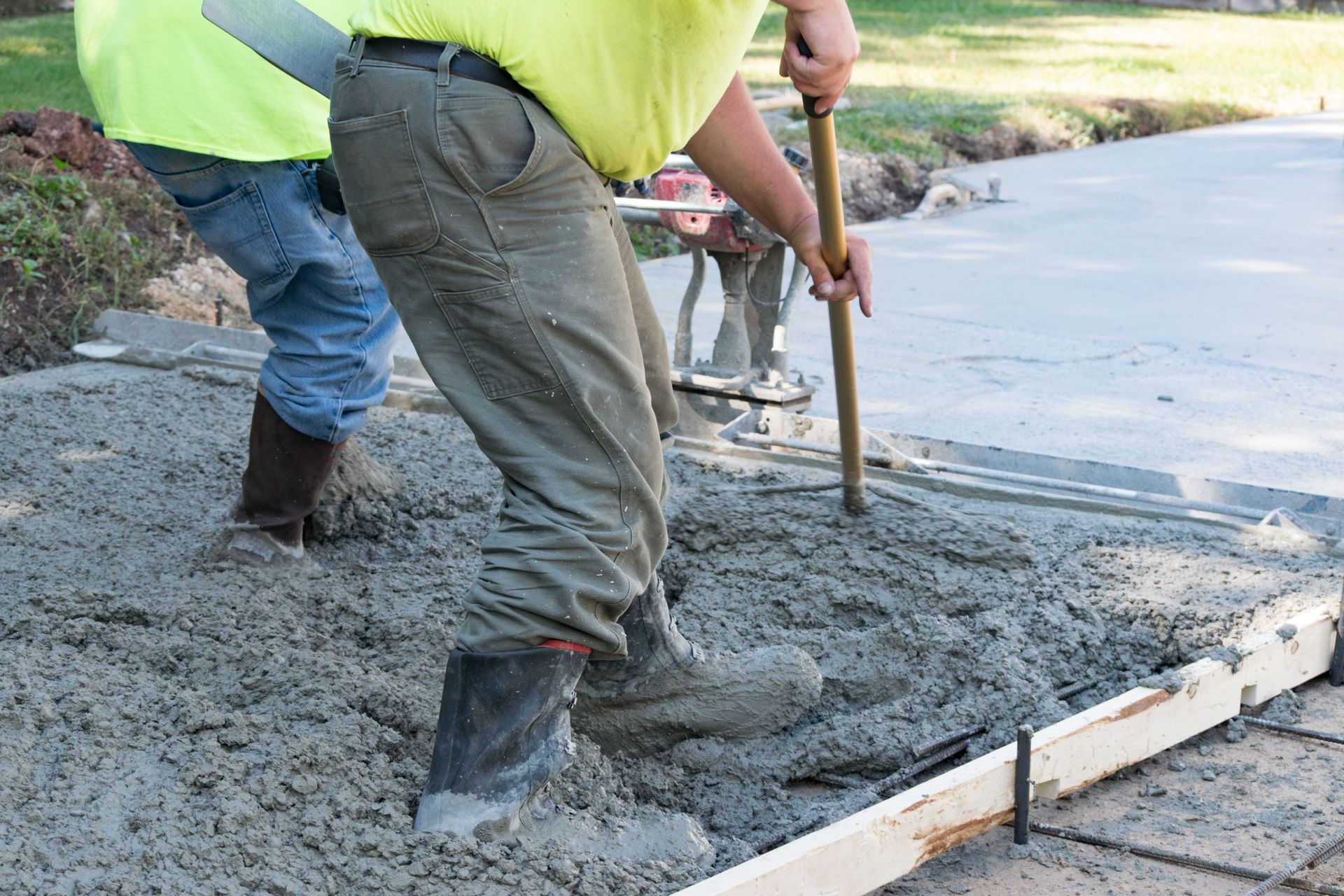
To appreciate the efficiency of this fluid aggregate, it is helpful to contrast its installation process with the labor-intensive requirements of traditional dirt or gravel backfilling. When utilizing standard soil, workers must place the dirt in thin layers, manually running heavy, vibrating equipment over each layer to force out pockets of air. This process is slow, physically exhausting, and dependent on the skill of the operator and the moisture level of the soil. Inadequate compaction leads to structural voids that eventually collapse under the weight of passing vehicles, resulting in sunken pavement and dangerous potholes. Conversely, this fluid alternative requires absolutely no compaction effort. It is simply poured or pumped directly into the trench, self-leveling and self-compacting naturally as it fills the space. This rapid installation process minimizes the amount of time that utility trenches must remain open, reducing traffic disruptions and lowering the risk of on-site accidents. By eliminating the need for compacting machinery, contractors can accelerate their project timelines and allocate their labor resources to other critical construction tasks.
The Professional Installation and Delivery Process
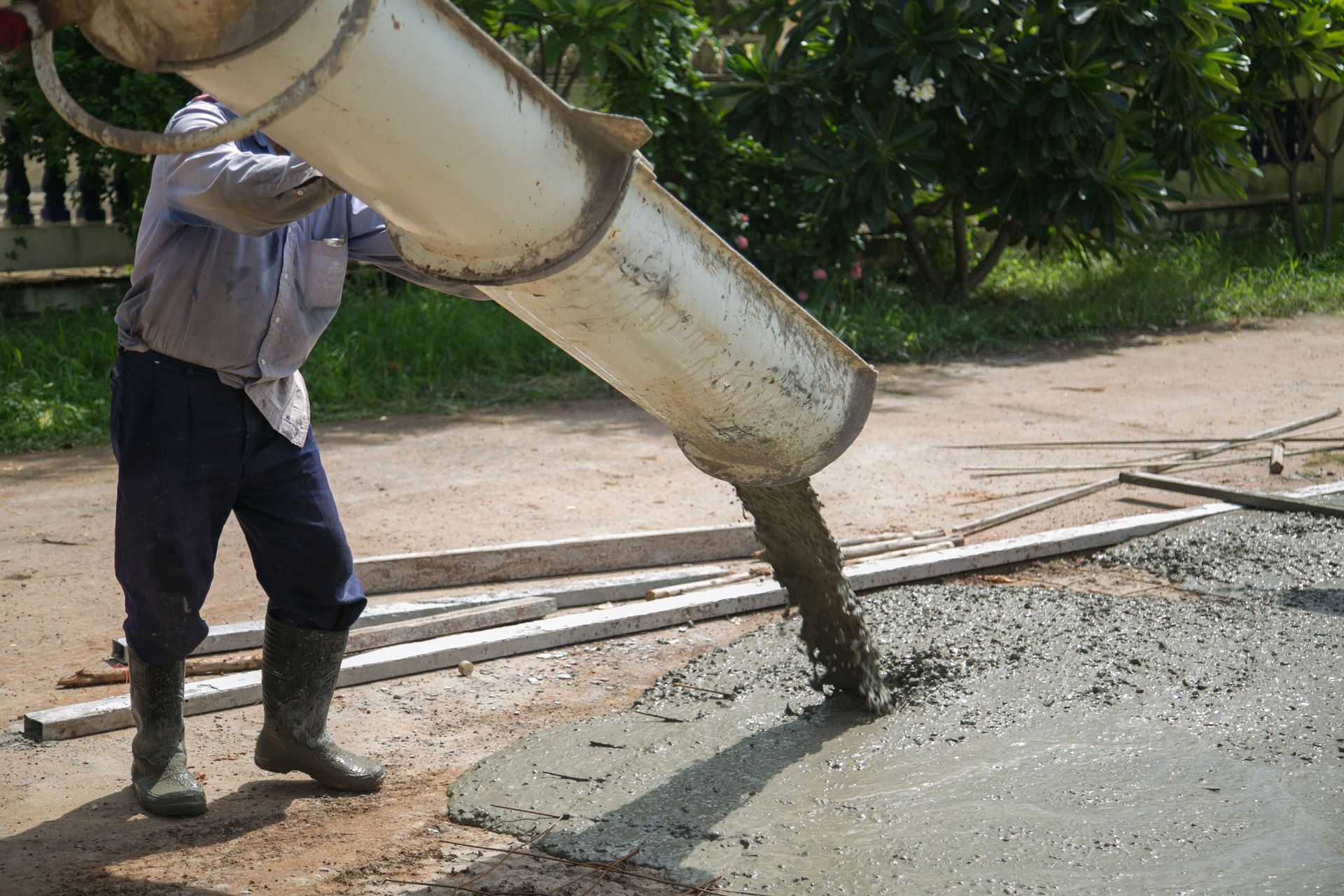
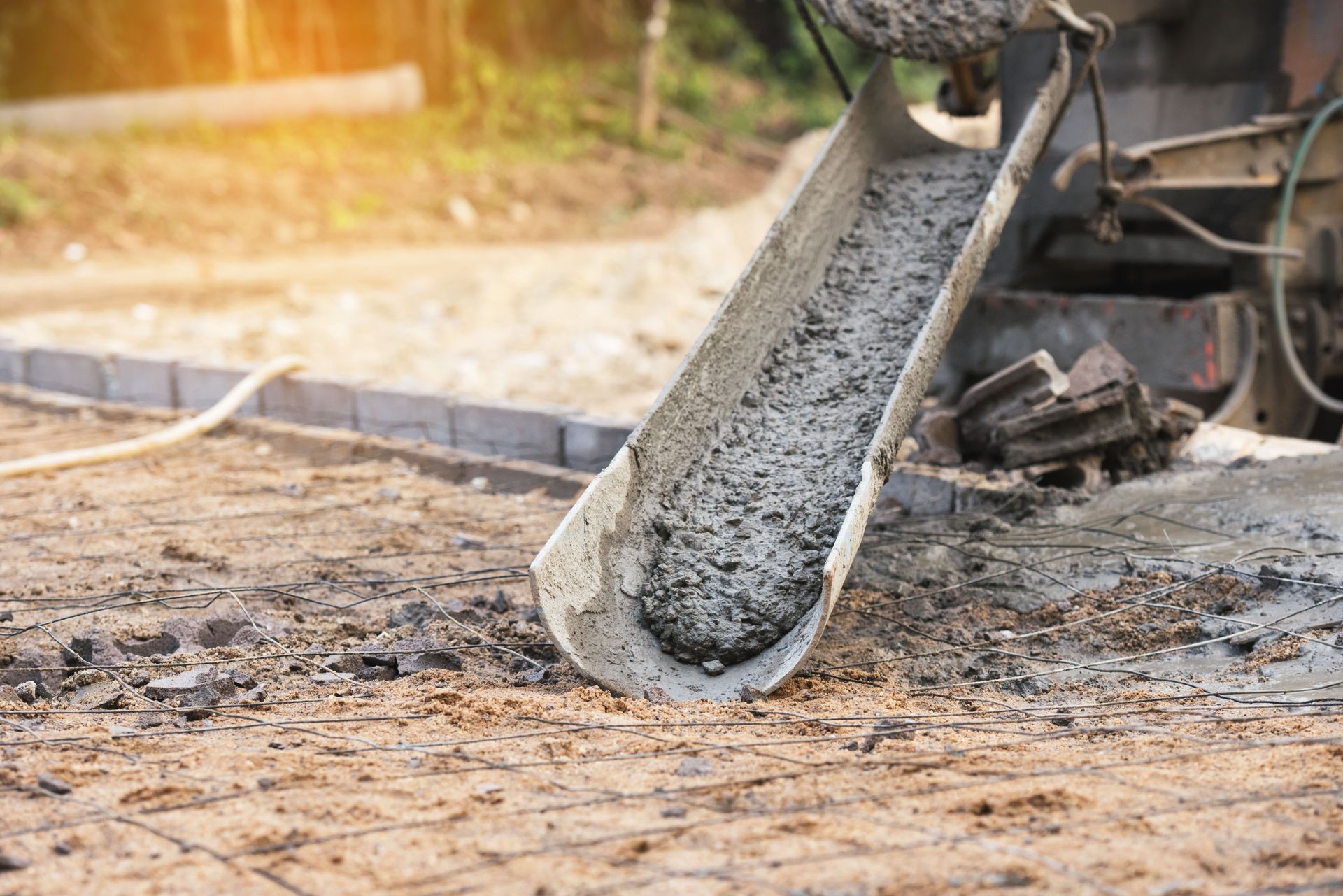
Executing a successful backfill project requires careful planning and coordination to ensure that the material is delivered and applied under optimal conditions. The fluid mixture is typically mixed at a central batch plant and transported to the job site in standard ready-mix concrete trucks, allowing for rapid and high-volume delivery. Once on site, the material can be discharged directly from the truck chute into the trench, or pumped over long distances and through tight obstacles using specialized concrete pumps. Because the mixture remains fluid for a controlled period, technicians can easily direct the flow to ensure complete coverage around complex utility networks. After the pour is complete, the material begins to cure through a chemical hydration process, shedding excess water and hardening into a stable solid. This rapid curing allows construction crews to pave over trenches or resume overhead work within a very short timeframe, minimizing project downtime. Partnering with a reputable provider of flowable fill services guarantees that the mix is tailored to your specific project requirements, ensuring a flawless installation that delivers durability.
The Environmental and Site Safety Advantages
Beyond its physical properties and operational efficiencies, this fluid material offers significant benefits for the surrounding environment and the physical safety of your crew. Traditional excavation backfilling requires workers to descend into narrow, deep trenches with heavy tamping machinery to compact the soil layer by layer. This practice exposes laborers to severe safety hazards, including trench cave-ins, respiratory dust exposure, and equipment-related injuries. Because this fluid alternative self-consolidates naturally, it eliminates the need for personnel to enter hazardous below-grade spaces, dramatically reducing on-site liabilities. Furthermore, from an environmental standpoint, the mix often incorporates fly ash and other recycled industrial byproducts, diverting waste from landfills and preserving natural aggregate resources. Its solid, non-porous structure also prevents local groundwater contamination by creating an impermeable barrier against surface chemical runoff, making it an exceptionally sustainable and responsible choice for modern public works and private developments.
At Artistic Materials Inc, our team is deeply committed to helping you streamline your construction projects with our premium fluid backfill solutions. We understand that your project timelines, budget constraints, and structural quality are vital to your business success, and we are dedicated to providing the exceptional mixes, reliable delivery, and expert support you deserve. We warmly invite you to contact our experienced material specialists today to discuss your upcoming excavation needs, and let us help you transform your construction process, save you valuable labor costs, and ensure a stable, long-lasting foundation for all of your structural achievements.