August 14, 2026
Underground infrastructure projects present unique engineering challenges that demand strength, stability, and speed. Whether installing municipal water mains, backfilling utility trenches, or securing subterranean pipelines, selecting the right backfill material directly impacts project longevity and overall cost efficiency. Traditional backfilling methods rely heavily on granular soils, crushed stone, or sand. These conventional materials require extensive labor, mechanical compaction equipment, and continuous quality testing to prevent future ground settlement. In contrast, self-leveling cementitious backfills have revolutionized modern civil engineering applications. Utilizing a professional flowable fill service provides contractors and municipalities with an efficient, self-consolidating alternative that fills void spaces effortlessly. By replacing labor-intensive soil placement with controlled low-strength materials, infrastructure teams can streamline project timelines, enhance worker safety, and achieve substantial cost savings across complex utility installations.
Streamlining Trench Backfilling Operations
Traditional trench backfilling requires a repetitive cycle of placing soil in thin layers, operating heavy mechanical tampers, and waiting for moisture-density testing results. This labor-intensive sequence slows down overall project momentum and introduces significant potential for human error. Inadequate mechanical compaction often leaves hidden air pockets along utility lines, leading to future pavement sagging, ground subsidence, and pipe damage. Furthermore, weather delays like sudden rainfall can saturate loose soil lifts, halting operations entirely while crews wait for ground conditions to dry out.
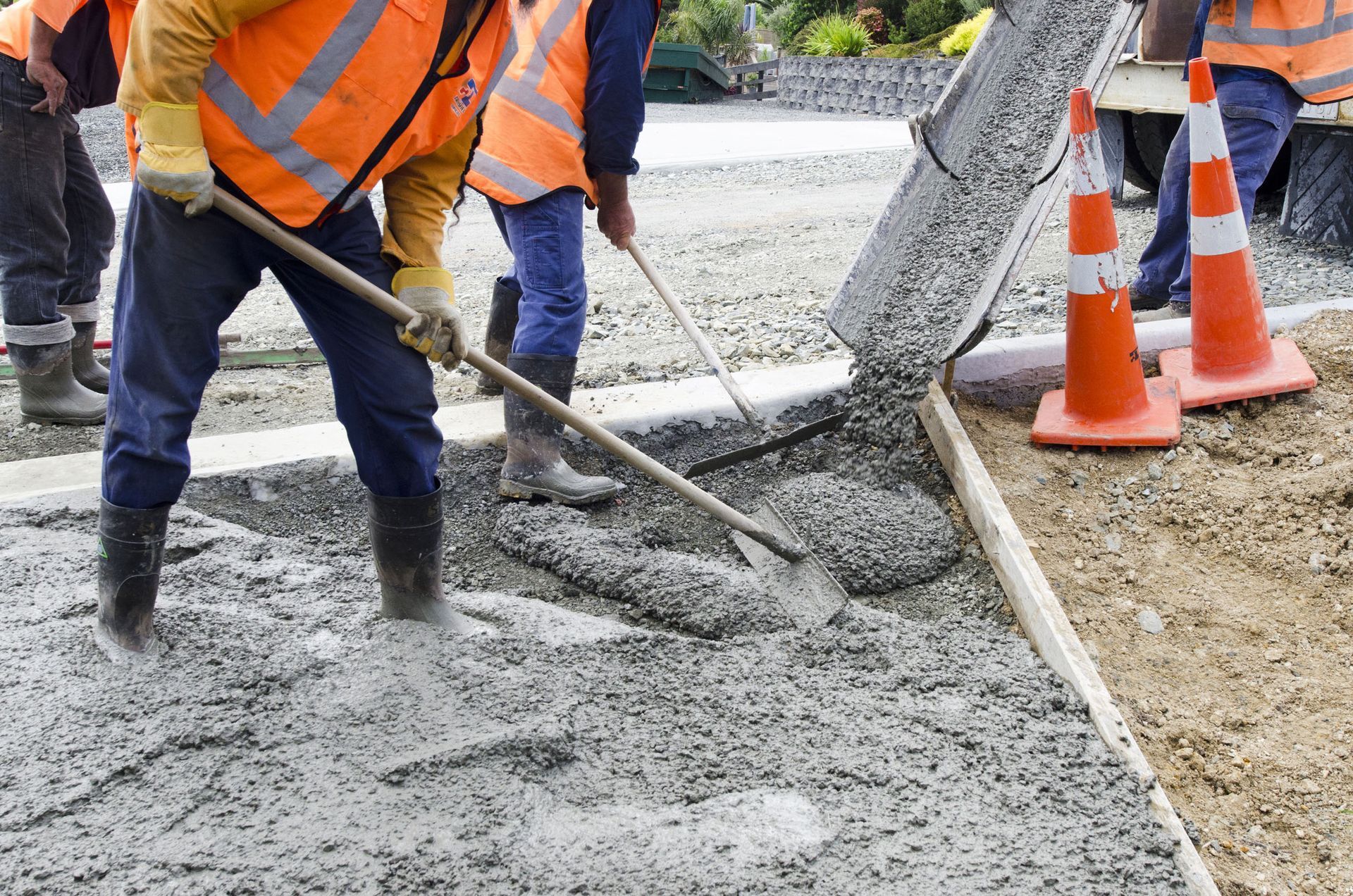
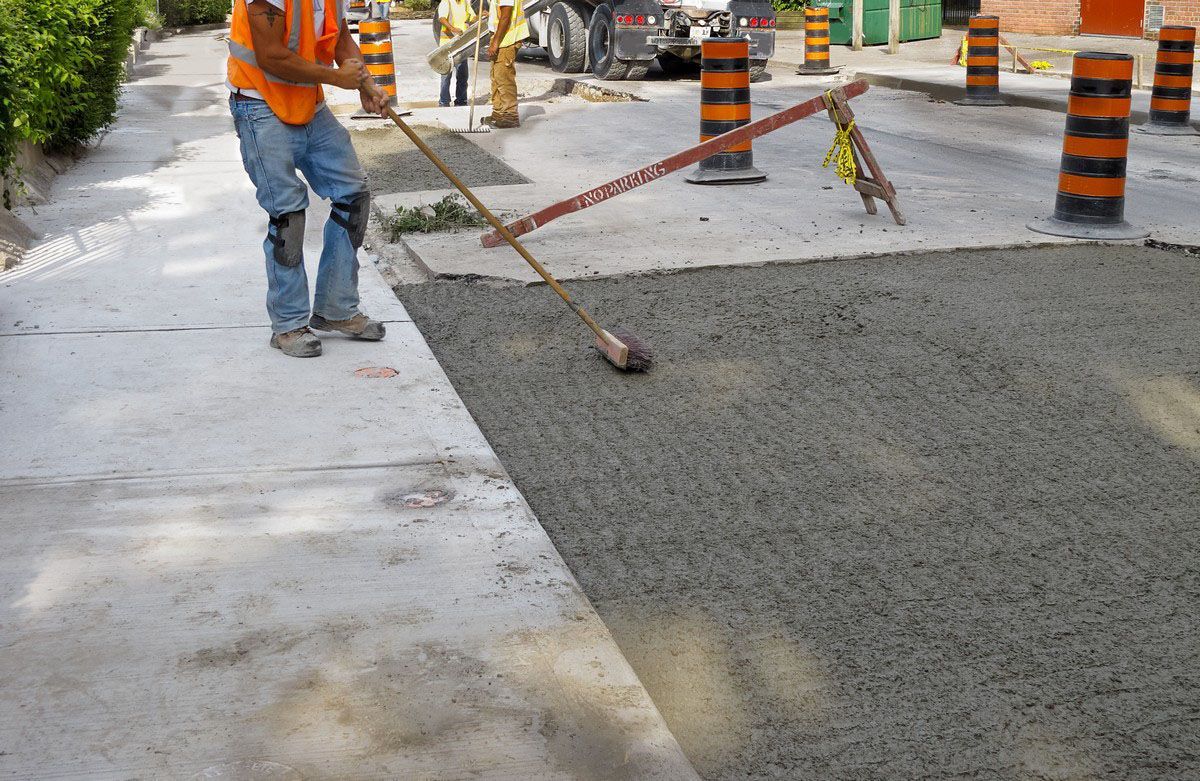
Transitioning to a specialized flowable fill service completely transforms trench backfilling dynamics. Because the material flows like a liquid, it naturally fills every crevice, undercuts pipes seamlessly, and eliminates internal air voids without requiring mechanical intervention. Workers simply pour or pump the fluid mixture directly into the excavation zone from ready-mix trucks or specialized pumping units. Eliminating manual compaction reduces labor requirements and speeds up backfilling operations dramatically. Utility lines are encased quickly and evenly, allowing crew members to transition to subsequent installation phases without delays caused by continuous density testing or bad weather.
Reducing Equipment and Machinery Costs
Operating heavy compaction equipment on utility jobsites adds substantial financial overhead, including machinery rental fees, fuel consumption, routine maintenance, and specialized operator wages. Furthermore, operating heavy machinery in tight urban trenches increases jobsite congestion and heightens safety risks for ground personnel working near active excavation edges. Transporting multiple pieces of heavy compaction gear between active jobsites also increases logistical complexity and mobilization costs for contractors.
Selecting fluid cementitious mixtures minimizes reliance on heavy machinery. According to Flashfill Services, LLC, using flowable fill causes equipment costs to drop by up to 70% when you eliminate compaction machinery. Eliminating plate compactors, trench rollers, and heavy rammers directly lowers daily equipment expenditure and jobsite fuel consumption. Furthermore, using a reliable flowable fill service reduces jobsite noise pollution and lowers diesel fuel emissions, making it an environmentally conscious choice for dense urban environments and residential neighborhoods. Contractors can allocate financial resources toward primary installation tasks rather than tying up capital in auxiliary compaction machinery, maximizing overall project profitability.
Enhancing Pipeline and Structural Stability
Subterranean pipes, conduit banks, and culverts require consistent, uniform structural support to withstand heavy surface traffic loads and subtle ground shifts. Traditional soil backfills often exert uneven pressure points against pipe walls during the mechanical tamping process, which can cause cracking, ovalization, or pipe joint displacement before the trench is even capped. Inconsistent support beneath the pipe haunches—the curved bottom area of a pipeline—frequently leads to localized stress fractures over time.
Self-leveling backfill materials cure into a uniform, solid mass that distributes surface weight evenly across the entire pipe structure. By encasing utility lines in a homogeneous matrix, fluid mixtures prevent localized stress concentrations that lead to premature pipe failure or joint separation. Partnering with an experienced flowable fill service ensures that the mixture is formulated with precise compressive strength levels tailored to specific engineering needs. The cured material provides reliable structural support that effectively prevents future ground settling beneath roads, sidewalks, and parking lots, protecting surrounding municipal infrastructure from costly post-construction repairs.
Simplifying Access for Future Excavations
A common concern among utility engineers when using cementitious backfills is the difficulty of future excavation. If a backfill material cures too hard, future utility crews will struggle to access buried pipes for routine maintenance, emergency repairs, or system expansions, often requiring heavy pneumatic breakers, hydro-excavators, or hydraulic hammers that risk damaging nearby infrastructure.
Modern flowable fill mixtures are intentionally engineered with controlled low strength properties. Formulations are designed to achieve sufficient compressive strength to support heavy traffic loads while remaining easily excavatable with standard backhoes, mini-excavators, or even manual hand tools. Utilizing a customizable flowable fill service allows engineers to specify exact density and strength requirements for their specific projects. If a water main or fiber optic line requires future servicing, utility crews can easily dig through the material without damaging the underlying pipes or neighboring utilities. This removable nature bridges the gap between structural stability and future accessibility.
Eliminating Settlement and Ground Subsidence
Pavement failure over utility trenches remains a persistent problem for municipal public works departments and road maintenance crews. When traditional soil backfills absorb moisture, experience freeze-thaw cycles, or undergo traffic vibrations over time, loose soil particles shift and consolidate, causing the ground above to sink. This structural settlement results in unsightly potholes, cracked asphalt, and hazardous driving conditions that demand repeated asphalt patching and traffic disruptions.
Cementitious backfills eliminate ground settlement entirely because they do not shrink, wash away, or consolidate after curing. Once placed, the fluid mixture solidifies into a permanent, immovable foundation that resists subterranean water erosion and soil shifts. A professional flowable fill service delivers a reliable material that maintains its volume permanently, shielding surface pavements from structural failure and rutting. By preventing post-construction settlement, municipalities, utility companies, and private developers save significant funds on long-term road maintenance, ensuring smooth transportation corridors for decades following utility installation.
Optimizing Worksite Safety and Logistics
Excavation sites present inherent safety risks, particularly when workers must enter narrow, deep, or unstable trenches to manage soil placement and heavy compaction machinery. Trench wall collapses and equipment-related incidents represent major safety concerns in underground utility construction. Minimizing the time workers spend inside active trenches significantly improves overall jobsite safety metrics and lowers worker compensation exposure.
Deploying fluid backfill mixtures enhances worker safety by allowing crews to place material entirely from ground level. Pump lines, chutes, or tremie pipes direct the flow straight into the trench cavity, eliminating the need for personnel to enter hazardous excavation zones during the backfilling phase. Coordinating with a dependable flowable fill service streamlines site logistics by delivering pre-mixed materials directly to the jobsite on a precise schedule. Rapid placement minimizes trench open time, reducing traffic disruptions in busy urban areas, lowering barricade rental costs, and protecting open excavations from sudden rainstorm washouts or nighttime vandalism.
Selecting efficient, structurally sound backfill materials is essential for building resilient subterranean utility networks and long-lasting public infrastructure. By replacing traditional soil compaction with self-leveling cementitious mixtures, construction teams eliminate ground settlement, enhance worker safety, and streamline daily jobsite operations. Removing heavy compaction machinery from the construction workflow yields massive equipment savings while accelerating overall project schedules. When your next infrastructure project requires reliable pipe support, trench backfilling, or void filling, partnering with industry specialists guarantees optimal material performance and long-term structural integrity. At Artistic Materials Inc, we provide high-quality fluid backfill solutions tailored to meet your exact engineering specifications, volume requirements, and scheduling demands. Contact our team today to learn how our specialized services can bring strength, speed, and cost efficiency to your next underground project.