July 24, 2026
Whether you're pouring a backyard patio, a new driveway, or a commercial foundation, understanding how local concrete delivery works can save you time, money, and a lot of headaches. Concrete is one of the most widely used construction materials in the world, and getting it right starts before the truck ever pulls up. Here's what every homeowner and contractor should know before scheduling a delivery.
Knowing Why Concrete Delivery Matters
Not all concrete supply options are created equal. Ordering from a local concrete delivery provider rather than a distant regional supplier offers several practical advantages that affect the quality of your finished pour.
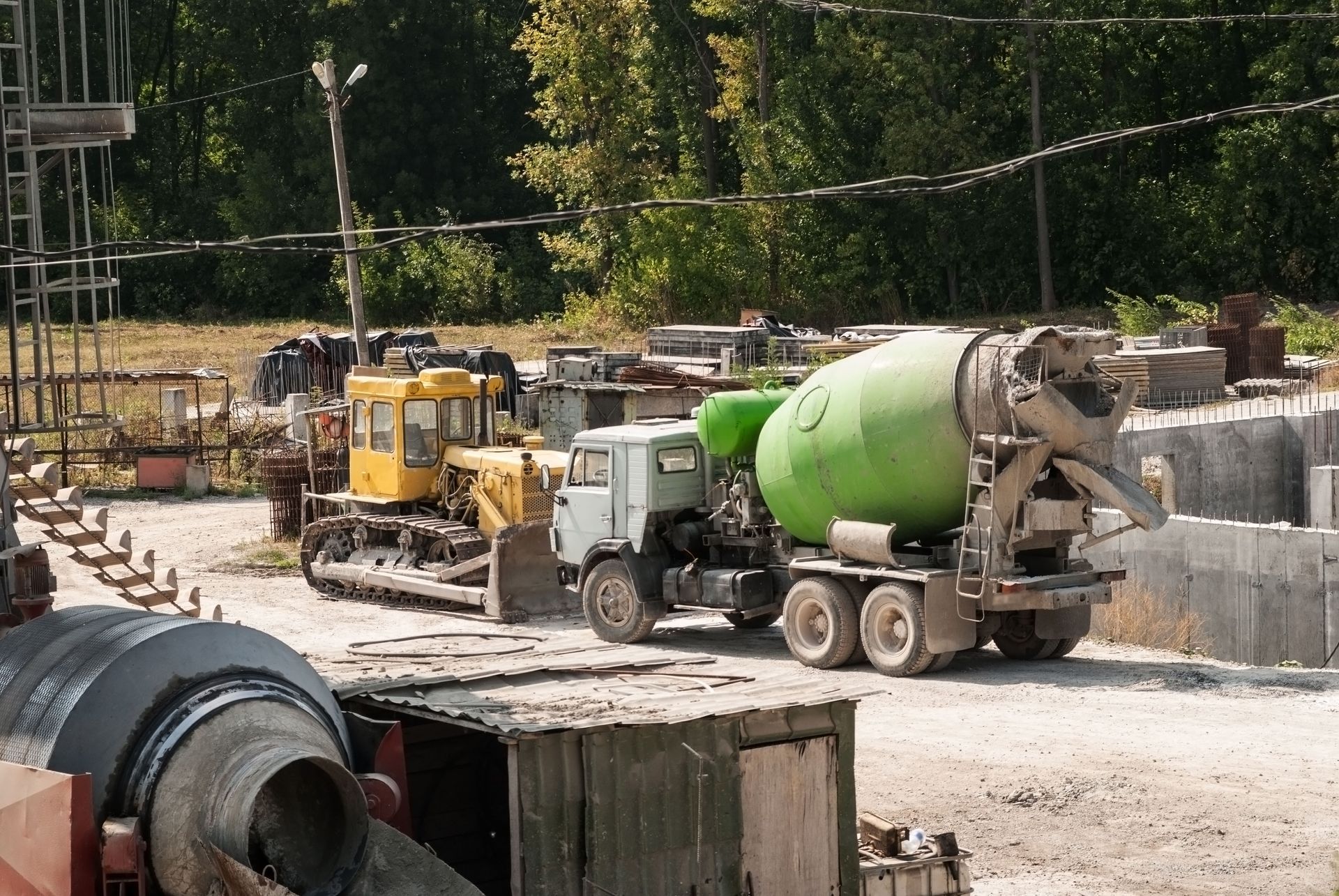
Fresh concrete has a limited working window. According to ASTM C94, concrete should be discharged within 90 minutes of batching to ensure it remains workable and hasn't begun to set. A local supplier cuts down on transit time, which means the concrete arrives in better condition and you have more time to work with it. Fewer miles also means fewer chances for the mix to be compromised by vibration, heat, or extended drum rotation.
Beyond timing, local providers tend to offer more flexible scheduling, more personal service, and a better understanding of regional soil conditions, weather patterns, and code requirements, all of which can affect mix specifications.
Understanding Your Concrete Mix Options
Before placing an order, it helps to know that not all concrete is mixed the same way. The right mix depends on your project's load-bearing requirements, exposure to weather, and finishing preferences.
Here are the most common mix types you'll encounter:
- Standard ready-mix concrete is pre-batched at a plant and delivered by a rotating drum truck. It's ideal for larger pours where a fixed mix is appropriate.
- Metered concrete (also called volumetric concrete) is mixed on-site using a specialized truck that combines ingredients in real time. This option gives you greater control over the exact amount poured and reduces waste significantly.
- Flowable fill is a low-strength, self-leveling mixture used to fill voids, trenches, and abandoned underground structures. It flows into tight spaces without compaction.
According to IBISWorld, the ready-mix concrete manufacturing industry in the U.S. was valued at $41.3 billion in 2023, which speaks to just how central this material is to modern construction at every scale.
Calculating How Much Concrete You Need
Ordering too little means a second delivery and a cold joint in your slab. Ordering too much means paying for material you won't use. Getting your estimate right is one of the most important steps in the process.
To calculate the volume of concrete needed, use this basic formula:
Length (ft) × Width (ft) × Depth (ft) ÷ 27 = Cubic yards
For example, a 10-foot by 20-foot slab that is four inches thick would require approximately 2.5 cubic yards. Most contractors recommend adding 5% to 10% extra to account for spillage, uneven subgrade, and slight miscalculations.
If math isn't your strong suit, many local concrete delivery providers, including suppliers who offer metered concrete, can help you calculate your needs before you commit to an order.
Preparing Your Site Before the Truck Arrives
According to SANY Group, a fully loaded concrete mixer truck carrying 10 cubic yards weighs approximately 66,000 pounds, making site preparation as much about safe truck access as it is about the pour itself. Before your scheduled delivery, check the following:
- Clear the access route. Remove vehicles, equipment, low-hanging branches, and any other obstructions along the path the truck will take.
- Check ground conditions. Soft or muddy terrain can cause a heavy truck to sink or get stuck. Gravel or plywood panels can help distribute weight.
- Set your forms. All framework for the pour should be in place and secured before the truck arrives. There's no time to adjust forms once the concrete starts flowing.
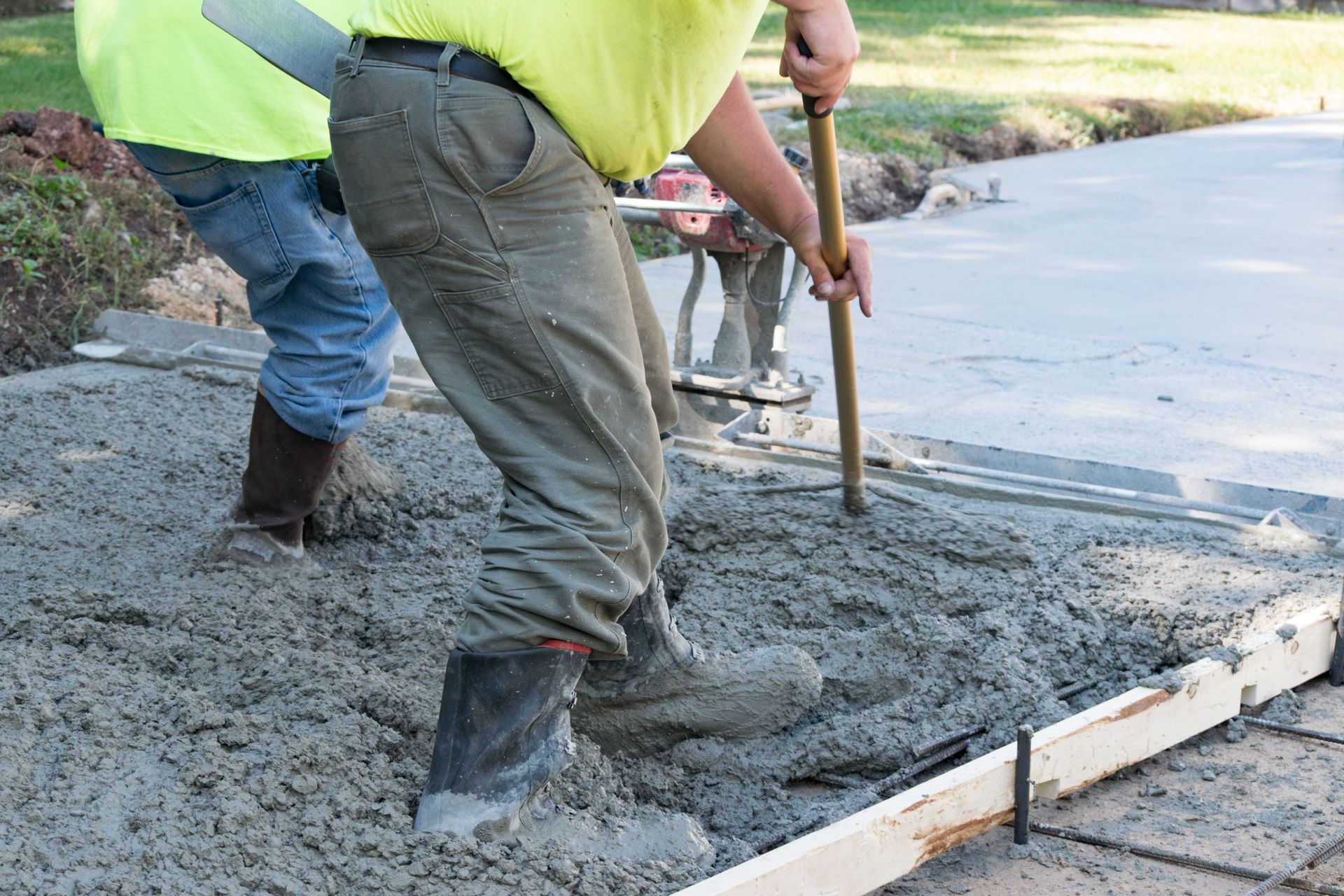
- Have your crew ready. Concrete waits for no one. Make sure you have enough hands on deck to spread, level, and finish the pour efficiently.
- Know your pour point. If your pour location is far away, discuss pump options with your provider in advance.
Timing Your Local Concrete Delivery
The timing of your pour matters more than most people realize. Temperature, humidity, and even wind can all affect how concrete sets and cures.
In hot weather, concrete can set too quickly, leaving less time for finishing. In cold weather, it can take much longer to cure or fail to cure properly if temperatures drop below freezing. According to ACI 207 and ACI 305, the acceptable temperature range for concrete placement is between 50°F and 90°F to ensure optimal hydration and strength development.
For outdoor residential projects, early morning deliveries are often preferred. The air is cooler, the crew is fresh, and there's plenty of daylight to complete the finishing work before the surface begins to set. Discuss your preferred delivery window with your local concrete delivery provider when scheduling.
Knowing What to Expect on Delivery Day
When the truck arrives, the driver will typically confirm your order details and begin positioning the vehicle for the pour. If you ordered standard ready-mix, the drum will begin rotating to keep the mix fluid. If you ordered metered concrete, the on-board mixing system will be activated.
Here's a general sequence of events:
- The driver confirms the mix design, volume, and pour location.
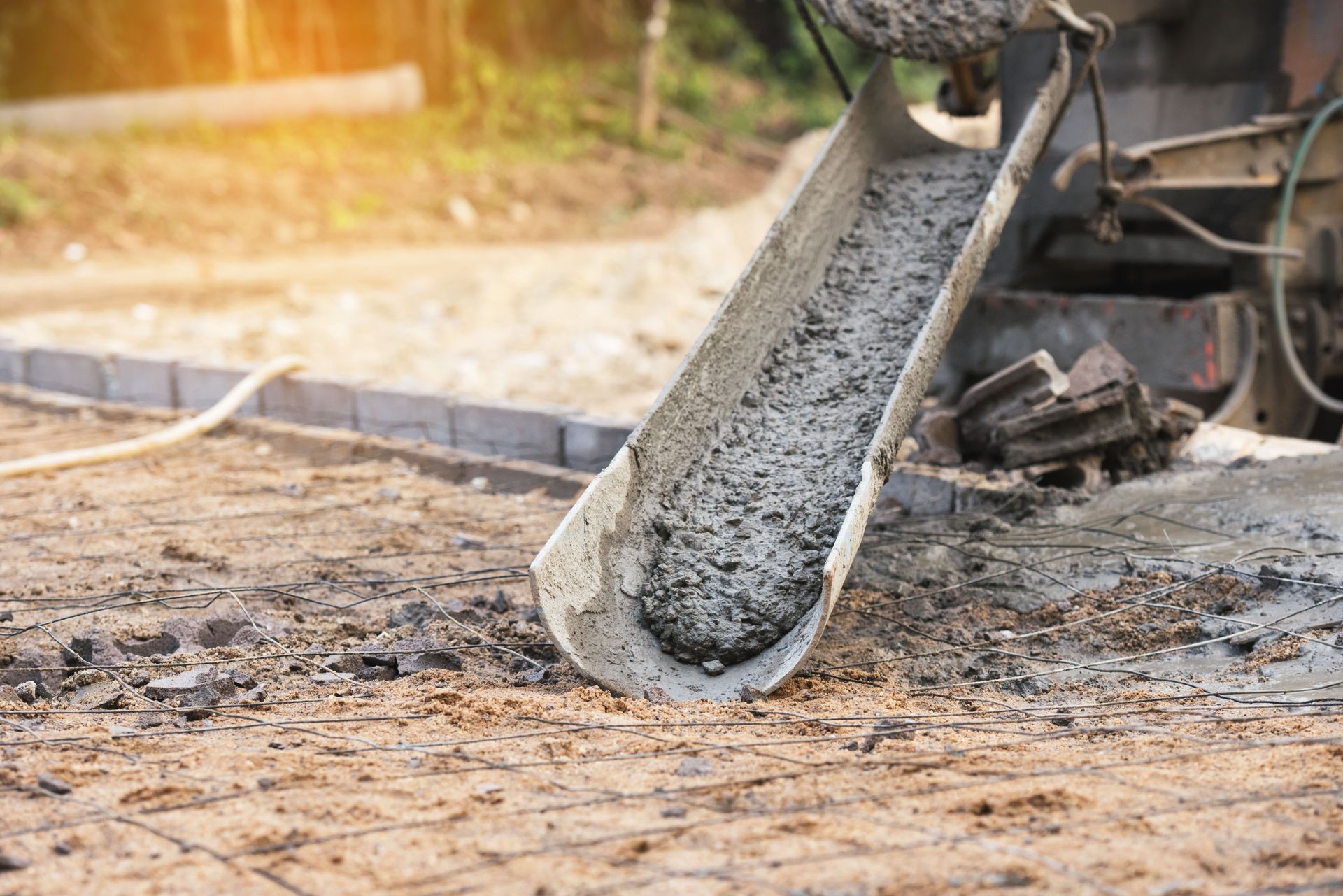
- The chute is extended and positioned over your forms or pump inlet.
- Concrete flows into the forms while your crew spreads and consolidates the material with rakes, shovels, and vibrators.
- The driver monitors the flow rate and can adjust the drum speed as needed.
- Once the pour is complete, you'll sign the delivery ticket, which documents the time of batching, the volume delivered, and the mix specifications.
Keep your delivery ticket. It serves as documentation for warranty purposes and future reference.
Curing and Protecting Your Finished Slab
Placing the concrete is only part of the job. Curing, the process of maintaining moisture and temperature so the concrete gains strength, is equally important and often overlooked.
According to the American Concrete Institute (ACI), most concrete reaches approximately 70% of its specified compressive strength within seven days and achieves full design strength at 28 days. During this time:
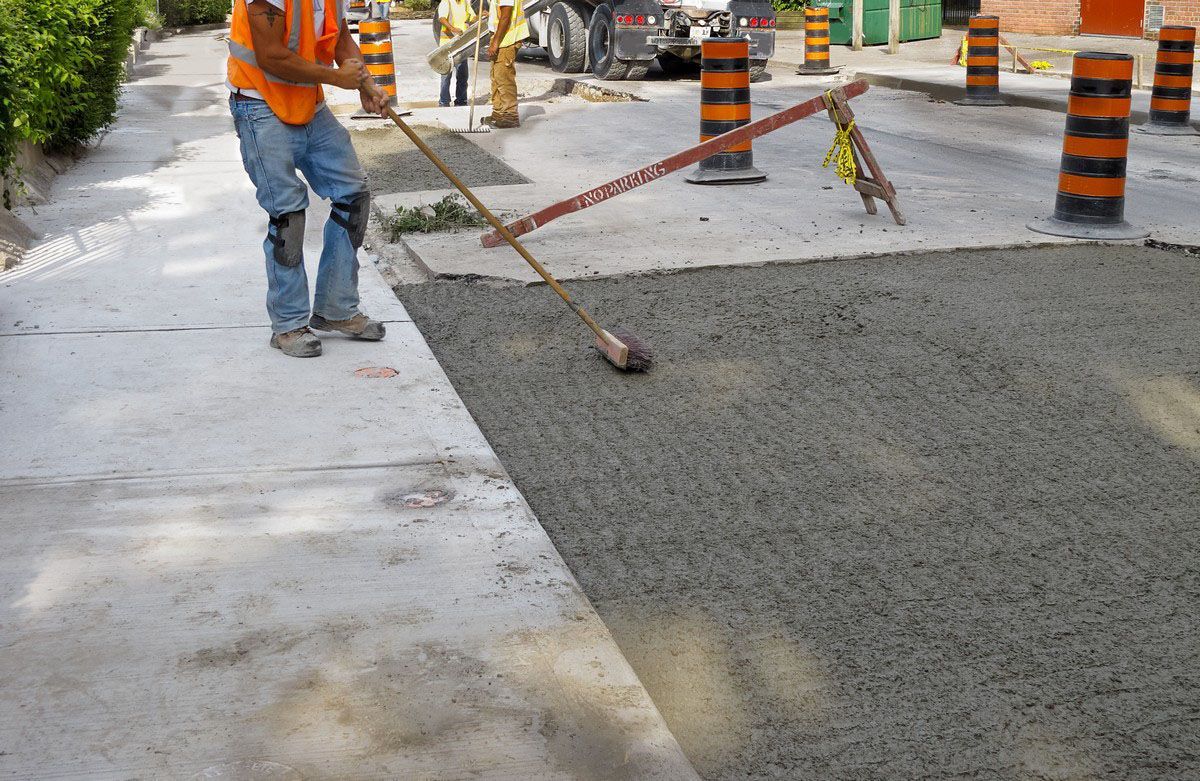
- Keep the surface moist by covering it with wet burlap, plastic sheeting, or a curing compound.
- Avoid parking vehicles or placing heavy loads on the slab for at least seven days.
- In cold weather, use insulating blankets to protect against frost.
Skipping proper curing can result in surface cracking, reduced strength, and a shorter lifespan for your finished slab. It's also worth noting that foot traffic should be restricted for at least 24 to 48 hours after the pour, even if the surface feels firm to the touch. The concrete may look set, but the internal curing process is still underway, and premature stress can compromise the structural integrity of the entire slab.
Getting It Right From the Start
Local concrete delivery is a straightforward process when you plan ahead, understand your options, and work with a knowledgeable supplier. From calculating your volume and preparing your site to choosing the right mix and curing your slab properly, every step contributes to a finished product that holds up for years to come. Taking the time to get the details right before, during, and after the pour is what separates a slab that lasts decades from one that shows problems within the first season.
If you're ready to schedule a delivery or still have questions about mix types and quantities, contact Artistic Materials Inc to get expert guidance and dependable service from a team that knows concrete.